
This week in the world of sports science, here’s what happened…
- Do athletes need to be mentally tough or mentally pliable?
- Can AI predict injuries in professional rugby?
- Imagining squats without doing them could boost cognition
Do athletes need to be mentally tough or mentally pliable?

Legendary swimming coach Bob Bowman, who has worked with some of the world’s greatest swimmers, including Michael Phelps, Léon Marchand and Summer McIntosh, recently attracted considerable attention with an unusual statement on social media (see here): he does not want his athletes to be mentally tough! Instead, Bowman argues that mentally tough athletes can become rigid and break down under pressure, particularly when events do not unfold as planned. He wants athletes to be mentally pliable—able to adapt quickly, remain focused and perform effectively regardless of the circumstances.
To illustrate his point, Bowman reflected on the preparations for two Olympic Games. Before Athens 2004, concerns arose because the swimming pool had no roof, leaving athletes to compete in extreme heat. Similarly, ahead of Beijing 2008, air pollution and smog caused widespread concern. Yet both competitions went ahead, and athletes still delivered outstanding performances. For Bowman, what separated those who succeeded from those who struggled was not necessarily mental toughness, but the ability to adapt to the unexpected. The best athletes maintained their concentration, made the necessary adjustments and refused to let circumstances beyond their control undermine their performance.
Bowman’s message is simple: when things do not go your way, or plans change at the last minute, do not waste energy complaining. Assess the situation, make the necessary adjustments and get on with it.
Does this challenge one of sport’s most widely accepted beliefs? We constantly hear about the importance of developing mentally tough athletes, but is mental toughness overrated? Should coaches place greater emphasis on developing mentally pliable athletes who can adapt to whatever challenges come their way?
Can AI predict injuries in professional rugby?
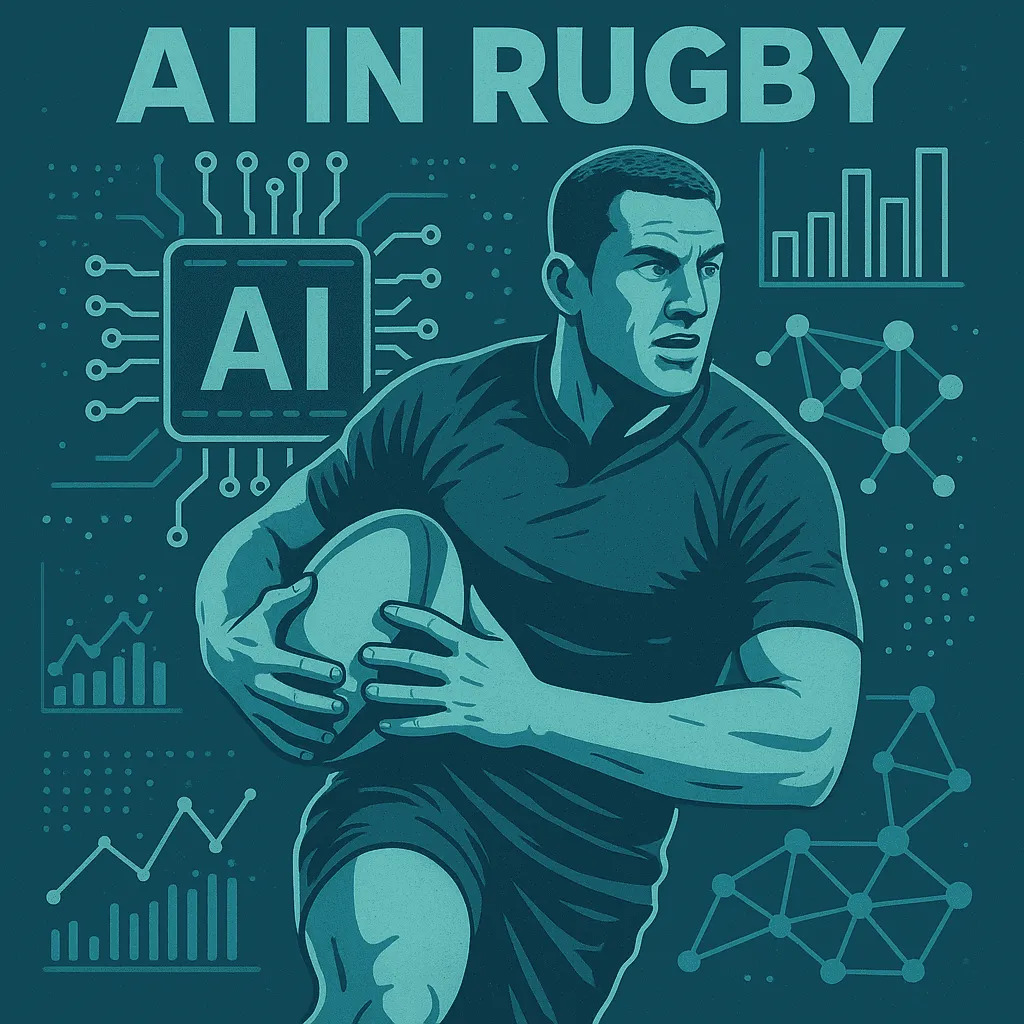
A recent study analysed 129 male professional rugby players from the four Irish provincial teams — Munster, Leinster, Connacht and Ulster — across three seasons from 2021–2022 to 2023–2024. The researchers collected a huge amount of information, including GPS workload data, wellness questionnaires, musculoskeletal screening, player characteristics and injury history. In total, the dataset contained over 141,000 player-day records, including more than 47,000 training exposures and 5,700 match exposures.
Interestingly, even with all this information, AI was poor at predicting whether a player would sustain a non-contact lower-limb injury in their next training session or match. During a nine-month test period, the best-performing AI model correctly predicted just 8 of 54 injuries. Even more strikingly, it produced 636 high-risk alerts — meaning there were approximately 77 false alarms for every injury it correctly predicted.
So, even with huge amounts of athlete-monitoring data and AI, predicting whether a player will get injured in their next training session or match remains extraordinarily difficult.
Imagining squats without doing them could boost cognition
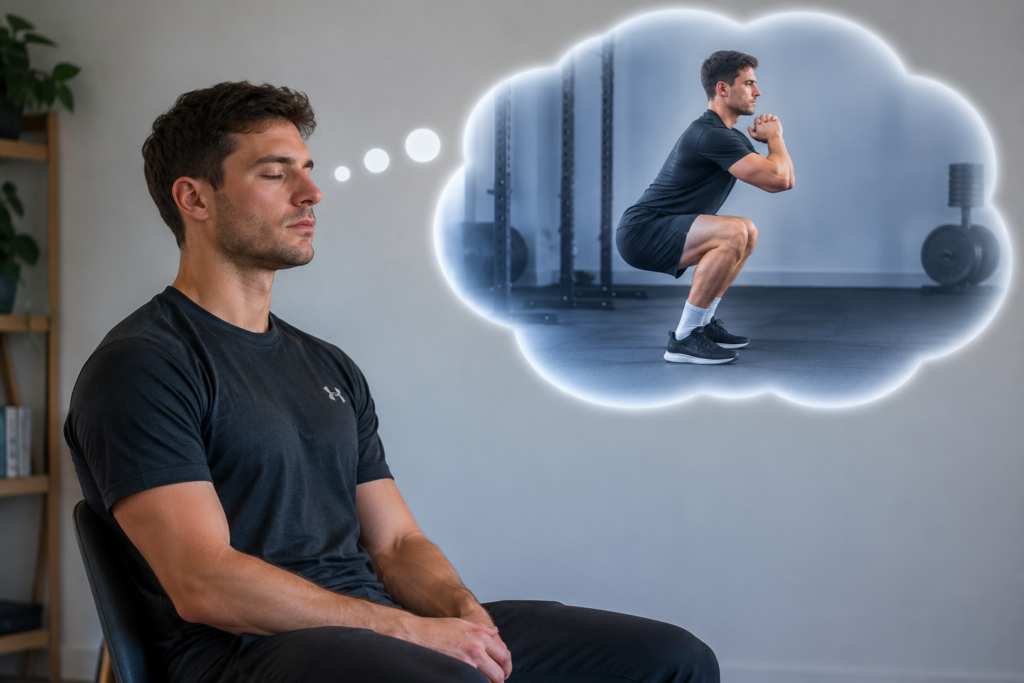
A new study published in Frontiers in Cognition found that athletes can enhance certain aspects of cognitive function by imagining themselves performing an exercise rather than actually doing it. The study involved 98 athletes divided into three groups: one group imagined performing squats for 30 minutes, another group physically performed squats, and the control group sat quietly for 30 minutes.
Interestingly, the group that engaged in mental imagery of squats performed better on various computer-based tests assessing cognitive functions such as decision-making, memory, attention, and reaction speed. These results highlight the potential effectiveness of mental imagery and suggest it could enhance cognitive readiness without the physical fatigue associated with actual exercise.
Cognitive abilities like decision-making, memory, attention, and reaction speed are crucial in many sports. However, the study does not determine whether improved performance on these computer-based tests translates to better sporting performance. For instance, it does not clarify whether a football player who uses mental imagery before a match will be able to spot a pass more quickly, react faster to an opponent, or make more effective decisions. This is an important question for future research to explore.
From us this week:
>> New course: Observation Before Intervention: Building Better Coaching Environments
>> New podcast: Preparing Athletes for Pressure and Adversity
>> New infographic: Components of Decision Making
>> New article: ESSA and Science for Sport Announce Strategic Professional Development Partnership
Access to a growing library of sports science courses
SFS Academy is an all-access membership to premium sports science education.
With SFS Academy, you’ll learn from some of the best coaches around the world as they teach you how to apply the latest research and practice with your athletes.