This week in the world of sports science, here’s what happened…
- Does playing football on artificial turf increase the risk of injury?
- Shane Lowry’s strength and conditioning
- Can app-based and self-guided resistance programs replace supervised coaching?
Does playing football on artificial turf increase the risk of injury?

There are often claims that playing football on artificial turf increases the risk of injury compared to natural grass. However, a recent study found no evidence to support these claims.
The research examined 167 games from the 2019 Finnish Premier Football League. Out of these games, 90 were played on artificial turf while 77 took place on natural grass. A total of 113 injuries were reported, showing an injury incidence rate of 27.2 injuries per 1,000 hours on artificial turf, compared to 23.9 injuries per 1,000 hours on natural grass. Although the injury rate was slightly higher on artificial turf, this difference was not statistically significant.
While further long-term studies would be beneficial, this research indicates that there is no considerable increase in injury risk when playing on artificial turf. If you would like to learn more about this topic, check out our blog Natural grass vs. artificial turf: which surface poses an increased injury risk?
Shane Lowry’s strength and conditioning
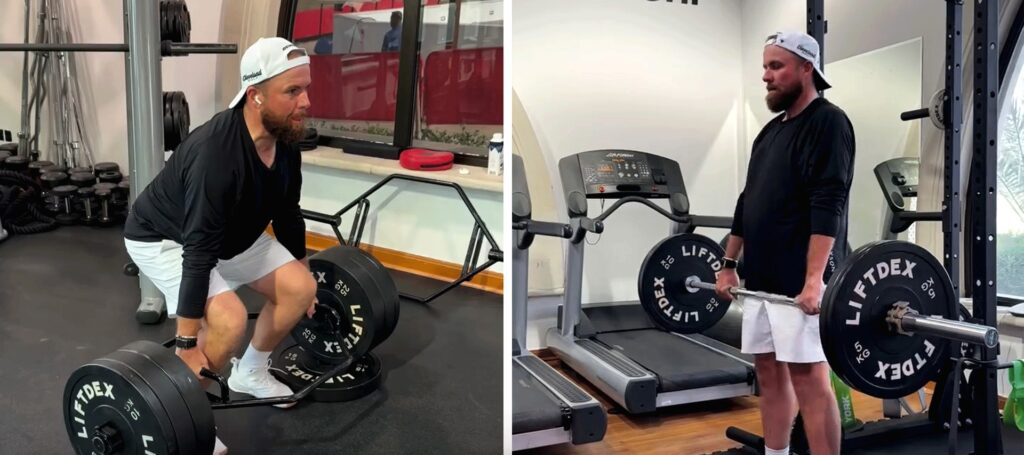
Historically, golf and Irish golfer Shane Lowry haven’t always been associated with athleticism. However, a recent Instagram post from the European Tour Performance Institute’s Health and Performance Unit reveals a different side.
In the post, Lowry is seen performing trap bar deadlifts, step-ups, and Romanian deadlifts (RDLs). This glimpse into his training highlights the growing importance of strength and conditioning in elite golf, which has undoubtedly contributed to Lowry’s impressive physical transformation.
If you’re keen on strength and conditioning for golfers, I highly recommend checking out this post and following the European Tour Performance Institute Health and Performance Unit’s Instagram page for more great content on strength training in the sport. Also, our blog Golf strength training: PGA-level tips to add metres to your drives, is definitely worth reading too!
Can app-based and self-guided resistance programs replace supervised coaching?
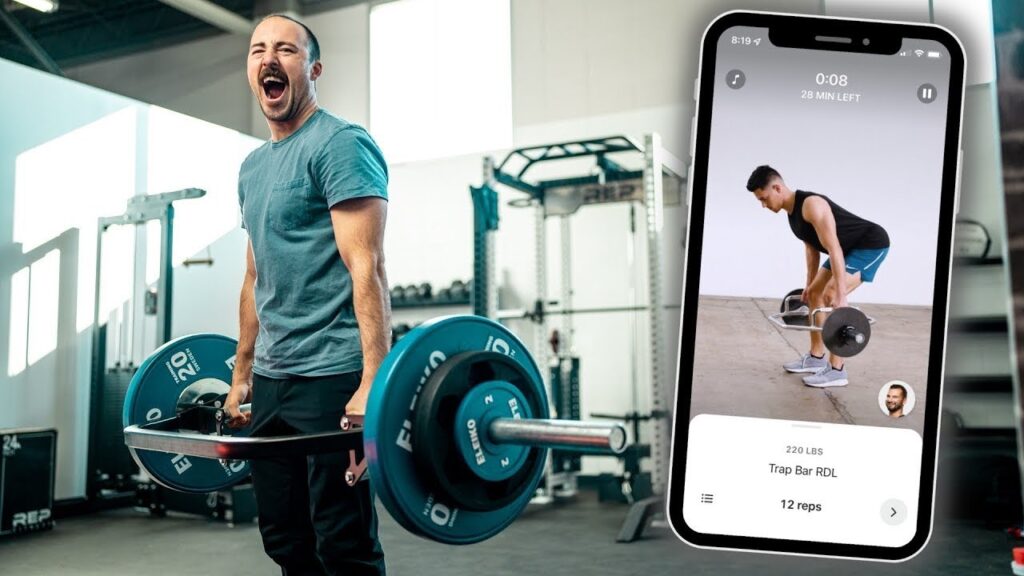
A recent study revealed that, while apps and self-guided coaching may serve as alternatives to supervised in-person coaching, they simply can’t match its effectiveness! The research examined the impact of supervised, app-based, and self-guided resistance training programs over ten weeks.
The findings showed that supervised coaching achieved the highest adherence rate at 88%, compared to 81% for app-based coaching and just 52% for self-guided coaching. Moreover, the supervised group experienced significant improvements in body composition. Although all groups saw increases in squat and bench press one-rep max tests, the supervised coaching participants demonstrated notably greater gains in squat strength.
This study clearly indicates that while app-based and self-guided coaching can yield positive results when implemented correctly, supervised coaching remains the most effective approach for optimising resistance training outcomes, such as enhancing adherence, boosting strength, and improving body composition.
From us this week:
>> New course: Fundamental Movements in Youth
>> New podcast: The Science Behind England’s Ashes Preparation – with Lead Nutritionist Charlie Binns
>> New infographic: DOMS
>> New article: Hydrotherapy
Access to a growing library of sports science courses
SFS Academy is an all-access membership to premium sports science education.
With SFS Academy, you’ll learn from some of the best coaches around the world as they teach you how to apply the latest research and practice with your athletes.