
This week in the world of sports science, here’s what happened…
- The Carlo Ancelotti approach: Why emotional control matters in coaching
- The All Blacks: A culture built on humility
- Ciara Mageean: a remarkable legacy of resilience and perseverance
The Carlo Ancelotti approach: Why emotional control matters in coaching

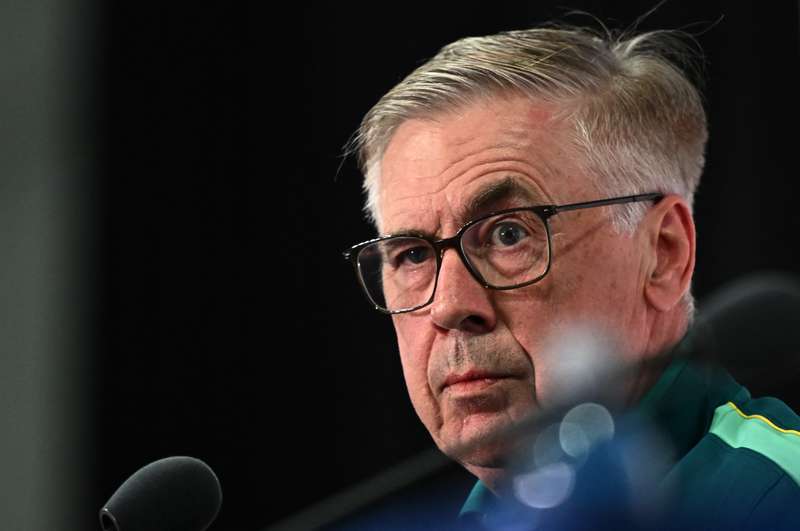
Leading sports psychologist and regular SFS Weekly feature, Professor Adam Nicholls, recently shared a fascinating insight into legendary football manager Carlo Ancelotti’s coaching philosophy and his ability to stay calm and composed under pressure (see here).
Ancelotti believes that the more he shouts, the less his players actually listen. Interestingly, he explains that although he loves football, he has never allowed his passion for the game to become an obsession, either as a player or a manager. This perspective has helped him stay in control of his emotions, whether his team is performing well or poorly.
Nicholls explores the science behind this approach, highlighting how a coach’s emotions can influence how athletes feel, think, and ultimately perform. He references research involving 30 Dutch football teams, which found that coaches’ happiness was positively associated with team performance.
Drawing on these insights, Nicholls offers several practical recommendations for coaches. These include staying composed when emotions run high, communicating clearly rather than out of frustration, and reinforcing athletes’ confidence in their abilities, especially when things don’t go to plan. Crucially, he emphasises that a coach’s behaviour can set the emotional tone for the entire team.
The overarching message is a reminder for coaches across all sports: effective coaching isn’t about showing the most emotion, but about managing your emotions in a way that helps your athletes perform at their best.
We were also very fortunate to have Professor Nicholls design a course for us, titled Socially Supporting Athletes, which can be accessed here.
The All Blacks: A culture built on humility

A fascinating photo recently shared on social media offers a powerful insight into the culture and mentality of the New Zealand All Blacks rugby team (see post here). The photo shows players loading their own luggage onto a truck ahead of their Northern tour, rather than leaving the task to support staff. While this may seem like a small gesture, it highlights an important principle within the All Blacks environment: no individual is bigger than the team.
Interestingly, several comments beneath the post further reinforced this culture. One referenced the famous “Sweep the Sheds” philosophy, where All Blacks players clean up their dressing room after matches, reinforcing humility, accountability, and respect. Another individual claimed to have been on the same flight as the team, noting that the players were travelling in economy class.
Collectively, these examples remind us of the importance of staying grounded, regardless of status or success. In an era where elite athletes often have extensive support teams and almost every aspect of their lives catered for, the All Blacks’ emphasis on humility, personal responsibility and togetherness is particularly refreshing. It demonstrates how a strong team culture is not simply built through words or motivational slogans, but through the everyday behaviours and standards that players uphold.
If you would like to learn more about culture development, check out our blog, Culture development: A guide for coaches and administrators and our course, Creating Team Culture.
Ciara Mageean: a remarkable legacy of resilience and perseverance

On a personal level, my home country of Ireland lost one of its most inspirational sporting figures following the passing of Ciara Mageean at just 34 years of age, after a battle with bowel cancer. The European 1500m champion leaves behind a remarkable legacy, not only for her achievements on the track but also for her determination, humility and resilience throughout a career filled with setbacks.
Interestingly, Ciara’s greatest performances came relatively late in her career. Despite winning World Championship medals at underage level in 2009 and 2010, she endured significant injury challenges, including Achilles surgery in 2013. However, she continued to progress, winning European bronze in 2016, silver in 2022 and ultimately gold in Rome in 2024, aged 32.
Sadly, her passing also serves as a reminder that even the world’s most physically gifted and highly trained athletes are not immune to serious health challenges. Despite their exceptional physical capabilities, athletes are ultimately just as human and vulnerable as the rest of us.
Above all, Ciara will be remembered not simply for her medals and records, but for the warmth, humility and courage she demonstrated throughout her life. Her legacy extends far beyond athletics, and she will undoubtedly continue to inspire future generations of Irish athletes.
Rest in peace, Ciara. Your legacy will live on.
From us this week:
>> New course: Observation Before Intervention: Building Better Coaching Environments
>> New podcast: Football’s Next Competitive Edge: IMPECT
>> New infographic: Football Conditioning Small Sided Games
>> New article: ESSA and Science for Sport Announce Strategic Professional Development Partnership
Access to a growing library of sports science courses
SFS Academy is an all-access membership to premium sports science education.
With SFS Academy, you’ll learn from some of the best coaches around the world as they teach you how to apply the latest research and practice with your athletes.