Fitness testing on a budget: why, what and how
For those not working in an elite team, budgets can be slim and the prospect of fitness testing can be daunting. But there are ways around it.

For those not working in an elite team, budgets can be slim and the prospect of fitness testing can be daunting. But there are ways around it.
Training load monitoring and management is an important step in the process of setting up a team or athlete to be prepared for a competitive season.
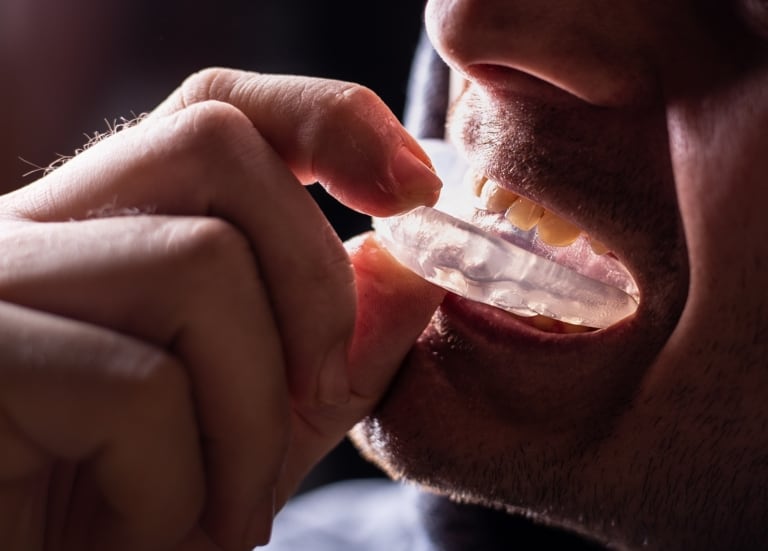
Concussion technology is an ever-growing area of importance for many collision sports, with cutting-edge mouthguards being developed in the hope of helping prevent or minimise head knocks.
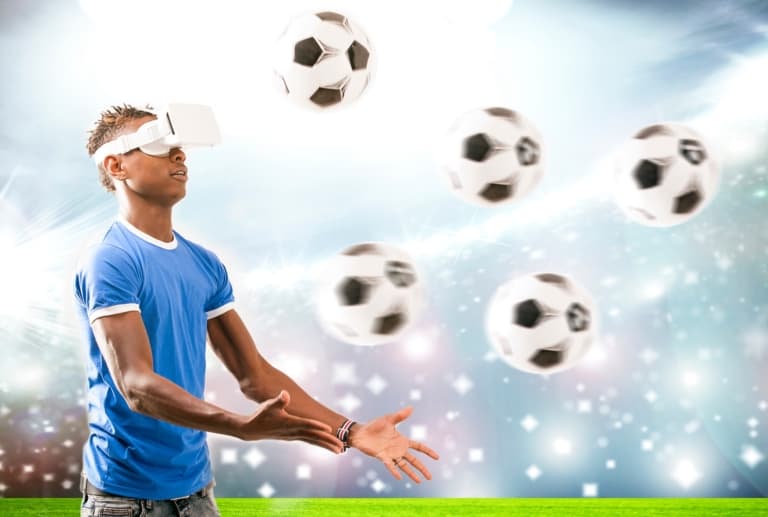
Just a few years ago, suggesting virtual reality as a training method would have got you laughed out of the room – now many elite and amateur athletes are using it with great success.

GPS analysis can often be confusing, with thousands of metrics and the need for highly specific reporting, so how on earth do you select the right key performance indicators?
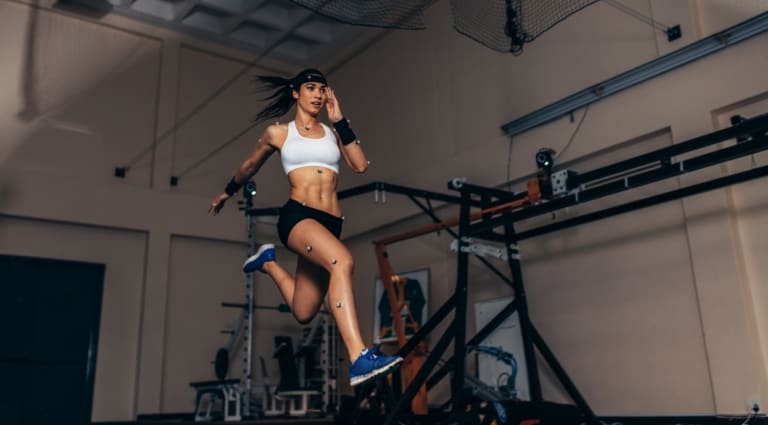
Force plates are used to analyse the ground reaction force of athletes during walks, runs, or other physical exercises like jumping. But how do coaches and athletes get the most out of them?
Elite athletes have access to teams of coaches and sport scientists, who use sports technology to drive performance. But amateur athletes can also benefit from the latest tech, too.
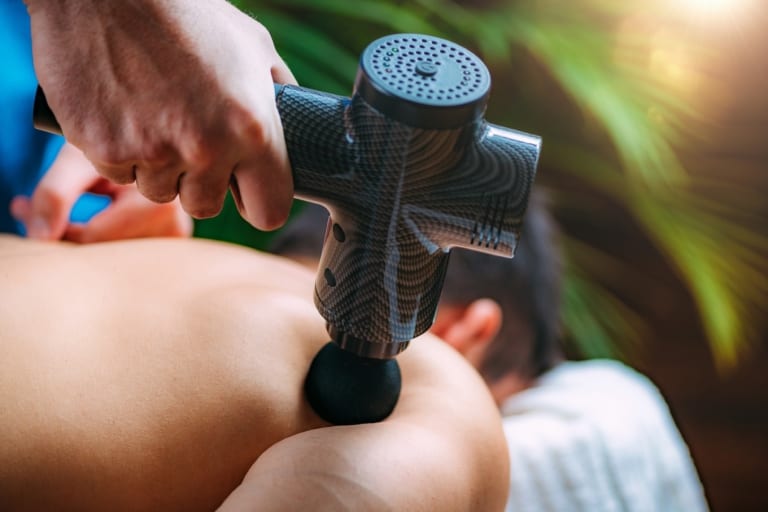
Massage guns are being heavily promoted as a key tool for recovery – but do they work, and do athletes need them?
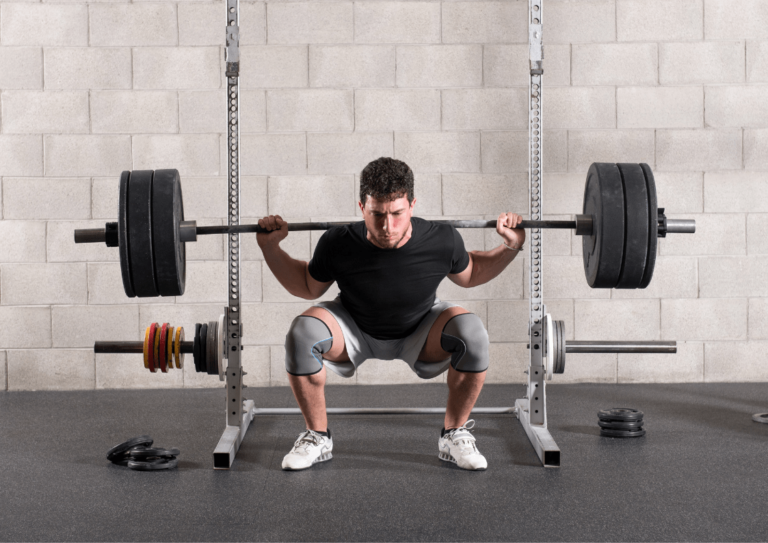
It’s important to understand your athlete’s maximal force capacity, but unless you have a big budget, measuring it can be a difficult task.

Learn from a world-class coach how you can improve your athletes' agility. This course also includes a practical coaching guide to help you to design and deliver your own fun and engaging agility sessions.
Get Instant Access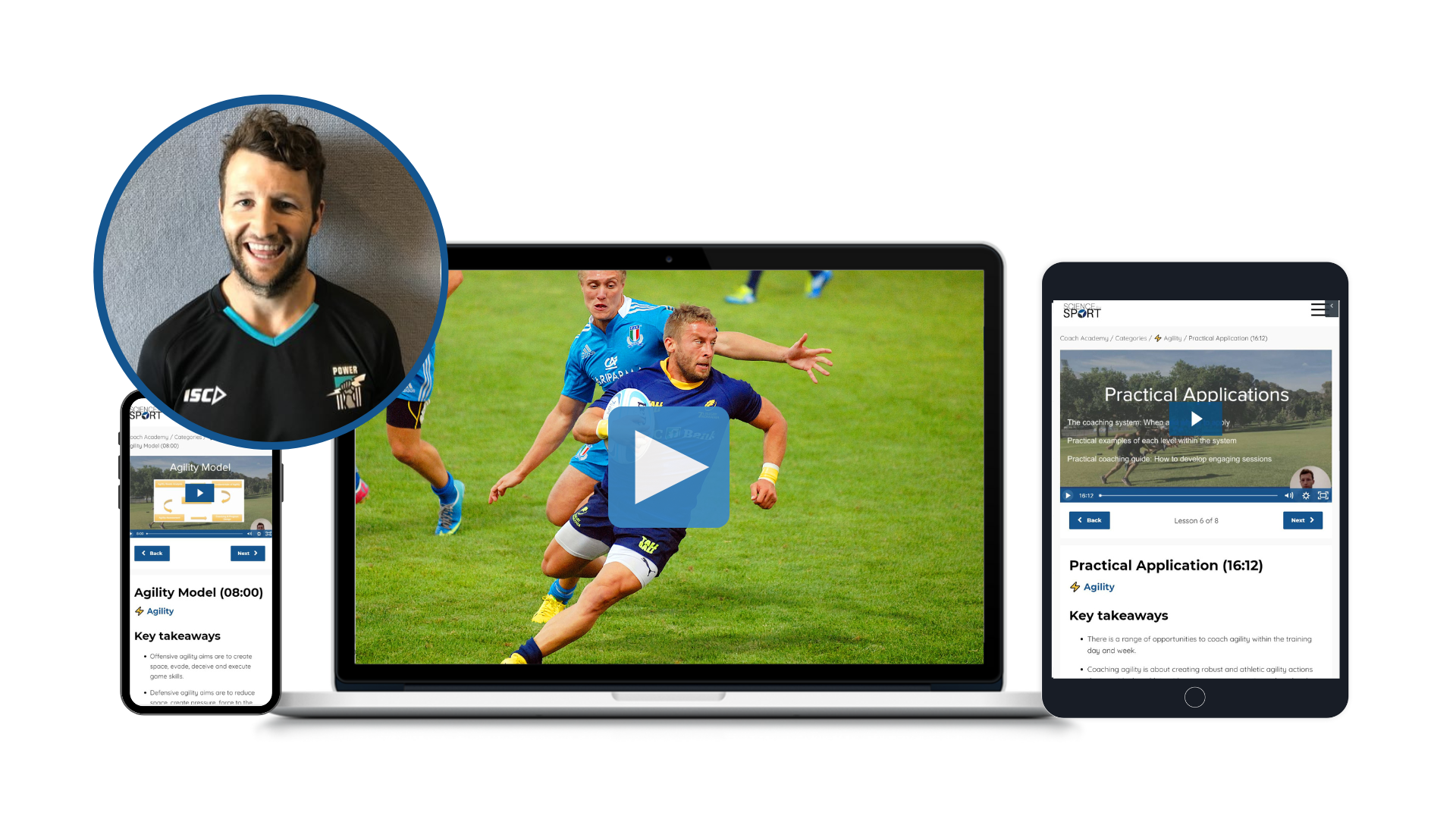

Our mission is to improve the performance of athletes and teams around the world by simplifying sports science and making it practical.
© 2026 Science for Sport | Catapult Sports