
This week in the world of sports science, here’s what happened…
- The 5-Second Rule for coaches
- S&C programming for female rugby players
- Catapult’s exciting new partnership can transform women’s football
The 5-Second Rule for coaches

Leading performance coach Michael O’Connor recently shared an insightful message on social media (see here) regarding his “5-second rule.” He emphasises that when coaches notice a mistake, they often rush in, talk too much, and unintentionally rob their athletes of a valuable learning opportunity.
Instead, O’Connor advocates for using the “5-second rule”. When he observes a mistake, he pauses for 5 seconds to reflect on whether his input will truly add value or hinder the athlete’s learning experience. If he believes that safety is at risk, that the same mistakes are recurring, or that the athlete needs clarification on a specific task, he will step in to offer guidance. However, if he senses that the athlete is on the verge of discovering a solution on their own, he chooses to hold back.
O’Connor firmly believes that jumping in too soon can stifle learning and lead athletes to rely too heavily on their coaches. By exercising patience and waiting to intervene, coaches can foster independent thinkers and enhance the athletes’ game or sport intelligence. So, the next time you notice a mistake and feel the urge to jump in, take a breath, wait 5 seconds, and consider whether your words will genuinely add value or steal a learning opportunity. As O’Connor best puts it, “players don’t learn when you talk, they learn when they think”.
If you would like to learn more about this topic, check out our course Cueing & Coaching Methods.
S&C programming for female rugby players
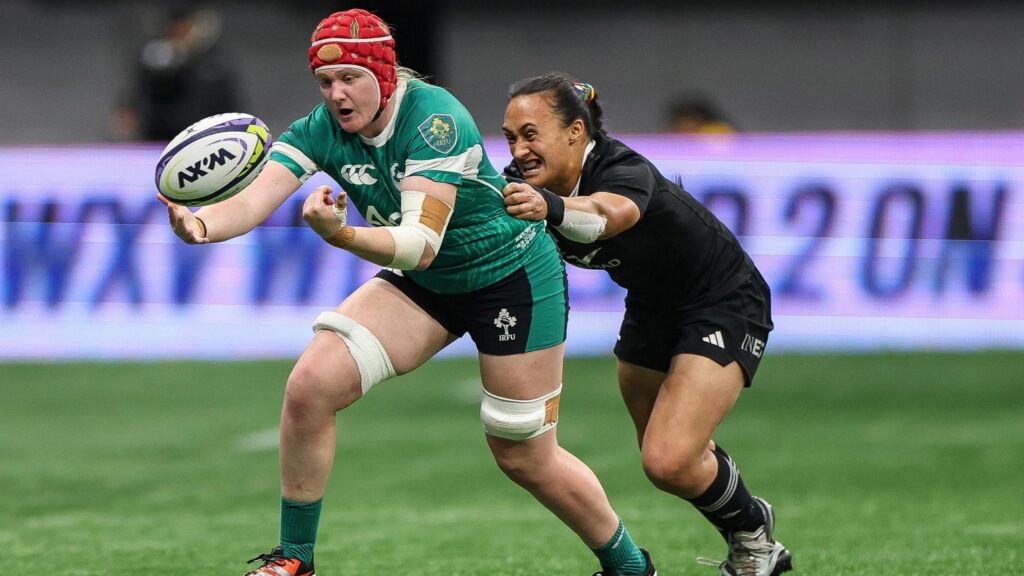
S&C coach Tarek Smith recently sparked an interesting discussion on LinkedIn (see here) regarding the subpar S&C programs often provided to female rugby players. He highlighted a common issue in which many S&C practitioners treat female athletes as “smaller versions of men,” applying the same lifts, same loading, and same periodisation strategy without considering their unique needs.
Smith emphasises that S&C programs for female rugby players should focus heavily on neuromuscular control, load management that accounts for the menstrual cycle phases, and power development tailored to how women actually express force. Additionally, conditioning protocols should reflect the specific demands of the women’s game (not the men’s game!).
While Smith’s insights are best practice for S&C programming for female rugby players, his post ignited some debate. Some seasoned practitioners noted that factors such as financial constraints, delayed access to S&C, and less frequent training often result in female athletes having a lower training age than their male counterparts. Until these issues are addressed, implementing optimal S&C practices for female athletes may remain a challenge.
Catapult’s exciting new partnership can transform women’s football

Following on from our previous bulletin, it’s clear that, much like in rugby, there’s a noticeable divide between women’s and men’s football. A recent post by Catapult highlighted that only 13% of elite football research focuses exclusively on women. Alarmingly, over half of sports practitioners working in women’s football lack access to reference values specific to the women’s game, often leading them to rely on data from the men’s game instead.
In response to this concerning situation, Catapult has partnered with Mercury 13, a women’s multi-club ownership group, to develop tailored benchmarks for the women’s game. This exciting collaboration aims to ensure that data collected from professional women’s clubs will provide practitioners with clearer guidance for preparing players to meet the unique demands of women’s football, manage their workloads effectively, and ultimately unlock the full potential of female athletes.
To learn more about this exciting partnership, be sure to check out the social media post (here) and blog post (here). Also, our course, The Demands of Women’s Football, by the excellent Jessica Fassnidge, is well worth checking out too!
From us this week:
>> New course: Socially Supporting Athletes
>> New podcast: Building Effective Analysis Processes in Elite Teams with Jamie Cook
>> New infographic: Power BI
>> New article: Hydrotherapy
Access to a growing library of sports science courses
SFS Academy is an all-access membership to premium sports science education.
With SFS Academy, you’ll learn from some of the best coaches around the world as they teach you how to apply the latest research and practice with your athletes.