
This week in the world of sports science, here’s what happened…
- The danger of chasing perfection
- Social media before training: a performance killer?
- Are female athletes underfuelled and underhydrated?
The danger of chasing perfection

The High Performance Podcast recently featured former England footballer Michael Owen, and a clip shared on Instagram sparked a fascinating debate about the potential dangers of chasing perfection.
In the clip, Owen discussed former England rugby star Jonny Wilkinson and his relentless approach to practice. According to Owen, Wilkinson would line up 20 balls and try to kick all 20 successfully. If he missed even one, however, he would reset the 20 balls and start again from ball one. Owen admitted that Wilkinson’s mentality fascinated him because it was completely different from his own. Although he acknowledged that this mindset can certainly help an athlete reach the top, he also described it as “pretty damn dangerous.”
Although Owen was fascinated by this relentless pursuit of perfection, he knew that such a mentality would never have worked for him. Instead, he described himself as having what he called a “shit filter.” If he had a bad touch during a game, rather than dwelling on it, he would tell himself: “That’s my bad touch out the way.” This allowed him to move on immediately while continuing to believe that he could be the best player on the pitch.
This clip from The High Performance Podcast is particularly thought-provoking because it highlights two very different approaches to elite performance. Jonny Wilkinson and Michael Owen both reached the highest level of their respective sports, yet they appeared to have very different relationships with mistakes and perfection.
Social media before training: a performance killer?
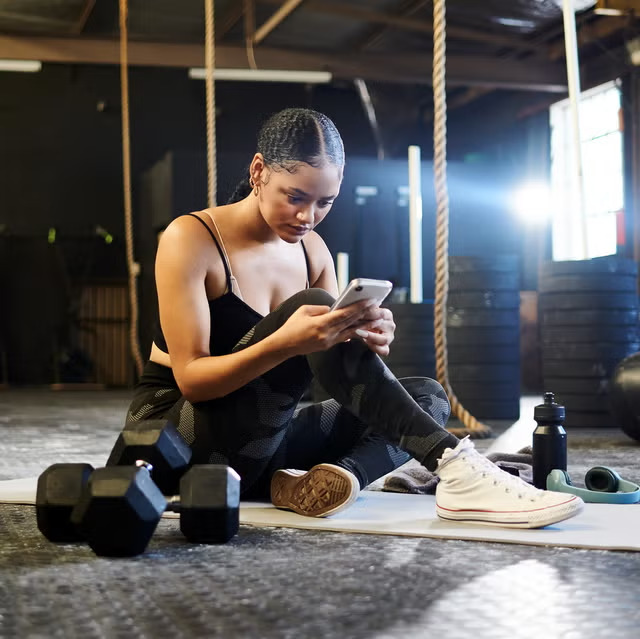
Lars Johansen, a sports psychologist at Denmark’s national high-performance organisation, recently warned that using social media before exercise can cause mental fatigue and impair physical performance (see here). Johansen highlighted a study showing that participants who used social media for 30 minutes before taking a Yo-Yo Intermittent Recovery Test performed approximately 10% worse than a control group that did not.
The study Johansen referenced examined young football players after 30 minutes of cognitively demanding smartphone use. In the test, players covered an average of 1,610 m compared to 1,780 m in the control condition—a 10.56% reduction in running distance. However, the task was not simply scrolling through Instagram or TikTok; it involved a specifically designed, cognitively demanding smartphone application.
Nevertheless, Johansen likened the physical decline from pre-exercise social media use to “smoking three to four cigarettes before you train.” While acknowledging that a total ban on social media is unrealistic, he strongly advises against using it in the hours leading up to training and competition, when peak physical and mental performance is required.
While the study Johansen cited may be more nuanced than everyday scrolling, his core message about social media’s impact on athletic performance has never been more relevant. If you would like to learn more about mental fatigue, our course, Mental Fatigue in Elite Sport, is definitely worth checking out!
Are female athletes underfuelled and underhydrated?
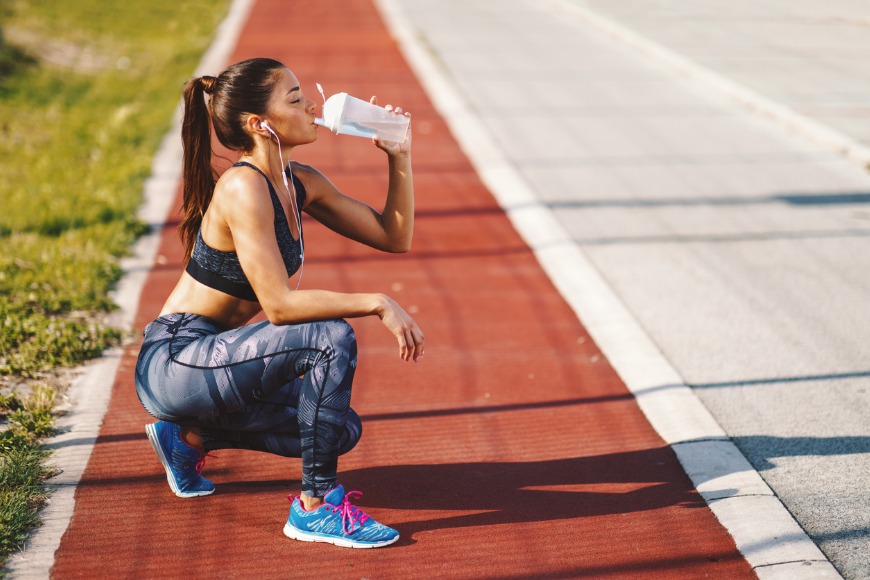
Recent research from the Gatorade Sports Science Institute has revealed some concerning findings regarding the nutrition and hydration habits of female athletes. The research included over 500 female athletes across various sports and found that 43% of participants began their training in a dehydrated state. Additionally, most athletes failed to sufficiently replenish the sodium they lost while sweating, and over half weren’t taking in enough carbohydrates to support their performance.
These results are troubling and suggest that many female athletes may not be performing at their full potential due to poor hydration, insufficient sodium intake, and inadequate carbohydrate consumption. The researchers also recommend establishing female-specific hydration guidelines instead of relying on data primarily derived from male athletes. By developing female-specific sweat-rate classifications, awareness can be raised about the importance of individualised hydration and sodium replacement strategies for female athletes.
It is important to note that this research was conducted by the Gatorade Sports Science Institute, which may introduce some bias due to industry affiliation. However, the research highlights a significant issue and emphasises the need for greater focus on hydration and fuelling practices among female athletes.
From us this week:
>> New course: Observation Before Intervention: Building Better Coaching Environments
>> New podcast: What Saliva Testing Can Tell Us About Athletes
>> New infographic: Basic Movement Patterns
>> New article: ESSA and Science for Sport Announce Strategic Professional Development Partnership
Access to a growing library of sports science courses
SFS Academy is an all-access membership to premium sports science education.
With SFS Academy, you’ll learn from some of the best coaches around the world as they teach you how to apply the latest research and practice with your athletes.