This week in the world of sports science, here’s what happened…
- The future of mental health coaches and sports psychologists?
- Is the clarity of instruction more important than the focus of attention?
- Are soy pretzels an effective recovery snack?
The future of mental health coaches and sports psychologists?
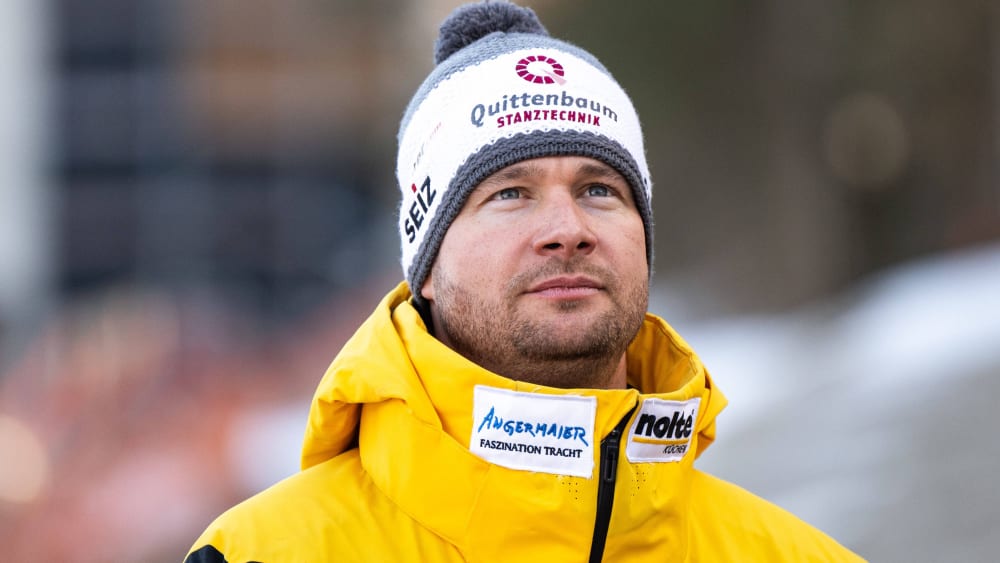
A recent article has shed light on the evolving landscape of the sports psychology industry due to the rise of AI. Johannes Lochner, a German bobsledder, won two gold medals last month at the Winter Olympics and credited his mental health coach, “Naia,” as a vital member of his support team. However, it’s important to note that “Naia” isn’t a person; it’s an AI-generated mental health coach.
“Naia” was developed through a decade’s worth of real-world interactions among athletes, therapists, and sports psychologists at Germany’s Scheelen Institute. The app assists Lochner in monitoring his stress levels and managing them effectively. Moreover, it has developed a personalised step-by-step protocol that helps him maintain his composure and discipline during high-pressure moments in competition.
Given Lochner’s success at the Winter Olympics, it’s clear that “Naia” has played a significant role in enhancing his mental performance. However, this raises an intriguing question: are we on the brink of a revolution where AI-driven applications might replace mental health professionals and sports psychologists? Let’s hope that isn’t the case!
Is the clarity of instruction more important than the focus of attention?

A compelling study highlighted the significance of providing clear and understandable instructions that athletes can easily grasp. This research involved 19 male collegiate track and field athletes who participated in two trials of a countermovement jump (CMJ) and a drop jump, each performed under three different focus conditions: external, internal, and neutral.
While prior research typically suggests that an external focus of attention is more advantageous, this study found no notable differences among the focus-of-attention conditions for the CMJ. Interestingly, the neutral focus of attention seemed to benefit performance in the drop jump, particularly. Moreover, athletes who reported a better understanding of the instructions on a self-assessment displayed improvements in their drop jump performance.
Ultimately, this study indicates that although existing literature often advocates for an external focus of attention, the clarity of instructions—especially for complex tasks like the drop jump—could be even more crucial for athlete performance.
If you would like more information on this topic, our course Cueing & Coaching Methods is well worth checking out.
Are soy pretzels an effective recovery snack?

Soy protein and its isoflavones have been suggested to help reduce inflammation, boost antioxidant capacity, and aid in recovery. A recent study aimed to validate this hypothesis by investigating whether consuming soy pretzels after intense exercise could reduce muscle soreness and inflammation.
Participants in a controlled trial were given either soy pretzels or wheat pretzels. The findings revealed that soy pretzels had no significant effect on muscle soreness or inflammation markers. While further research is certainly warranted, this study indicates that soy pretzels are not an effective recovery snack.
If you would like to learn more about minimising muscle soreness, check out our blog, Delayed onset muscle soreness (DOMS): What is it, and how can it be minimised?
From us this week:
>> New course: The Role of a Performance Analyst
>> New podcast: Building Smarter Performance Systems with Emily Jacobson
>> New infographic: Nutrition For ACL Rehabilitation
>> New article: Hydrotherapy
Access to a growing library of sports science courses
SFS Academy is an all-access membership to premium sports science education.
With SFS Academy, you’ll learn from some of the best coaches around the world as they teach you how to apply the latest research and practice with your athletes.