
This week in the world of sports science, here’s what happened…
- Rethinking muscle cramp causes
- The future of ultra-marathon running shoe technology
- The latest evidence on caffeine chewing gum
Rethinking muscle cramp causes
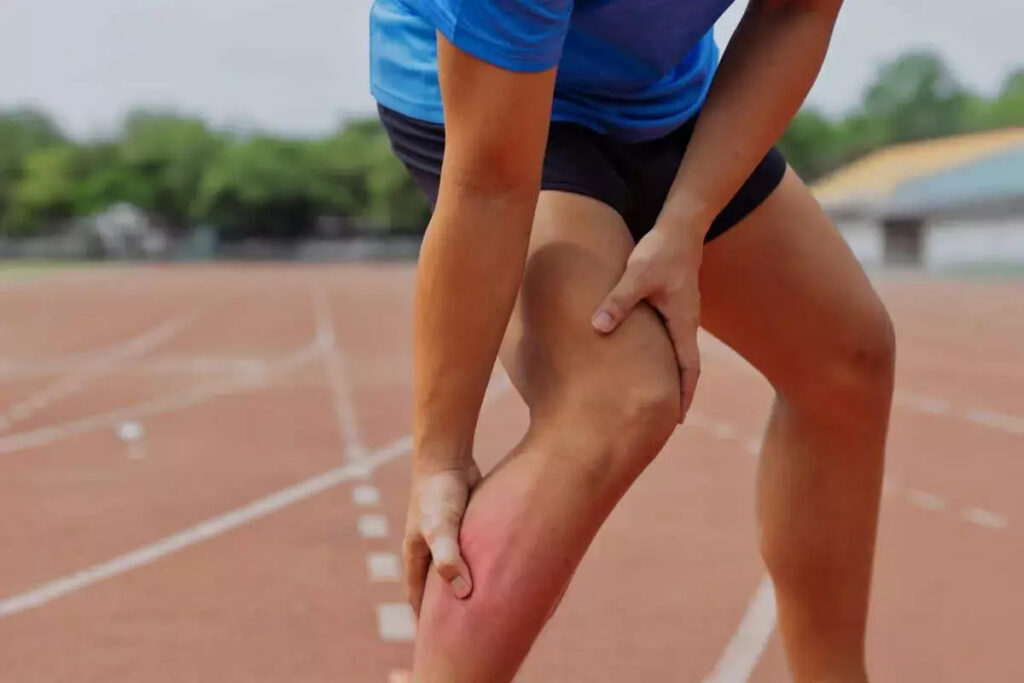
The common belief is that muscle cramping is caused by dehydration or electrolyte depletion. However, a growing body of evidence is challenging this theory, and the latest study in this area is particularly interesting.
The researchers analysed ultra-trail runners and identified nine competitors who experienced exercise-associated muscle cramps. They found no significant differences in body mass loss, urine specific gravity, or serum sodium concentration between those who cramped and those who did not. In other words, the athletes who experienced cramping were no more dehydrated and had no greater electrolyte depletion than those who remained cramp-free.
Interestingly, the runners who cramped displayed higher creatine kinase levels after the race, suggesting they experienced greater muscle fatigue and damage. The researchers also found that competitors who regularly performed lower-limb strength training were less likely to experience cramping than those who did not.
So, while maintaining adequate hydration and electrolyte balance remains critically important for performance, this study adds to the growing evidence that muscle fatigue appears to be a much stronger explanation for exercise-associated muscle cramps than dehydration or electrolyte depletion.
The future of ultra-marathon running shoe technology
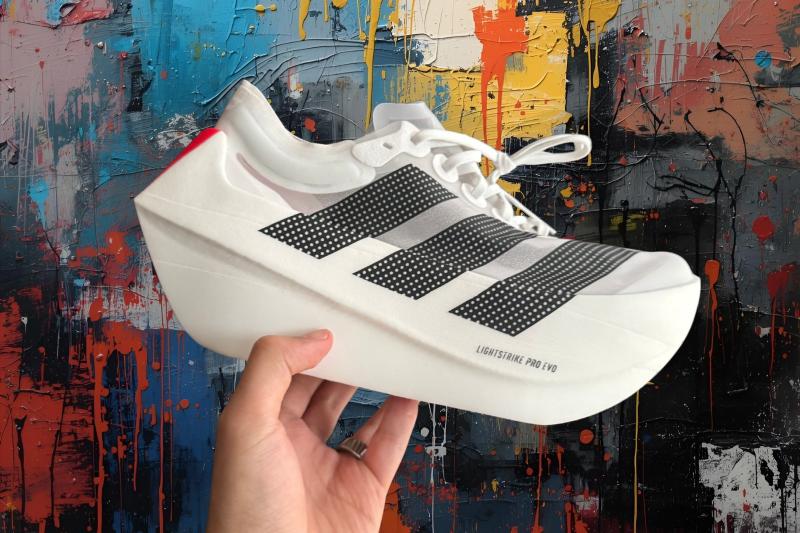
A recent and highly informative YouTube Short by Nothing But Tech provided an intriguing glimpse into where the future of running shoe design may be heading. The video highlights how Adidas is continuing to push the boundaries of the supershoe era through its experimental Prime X Evo.
The Prime X Evo contains 25% more foam than Nike’s top legal racing shoe, but that extra foam also means the shoe exceeds the maximum stack height permitted under competition regulations. As a result, it is currently banned from elite competition. Despite this, its performance has been remarkable, with South African runner Sibusiso Kubheka becoming the first person to complete 100 km in under six hours while wearing the shoes. However, because the Prime X Evo is not legal for competition, Kubheka’s record is not officially recognised.
As Nothing But Tech concludes, “Today’s banned tech often becomes tomorrow’s standard.” It will therefore be fascinating to see how the supershoe era continues to evolve and whether shoes like the Adidas Prime X Evo eventually finds its way into legal competition.
The latest evidence on caffeine chewing gum
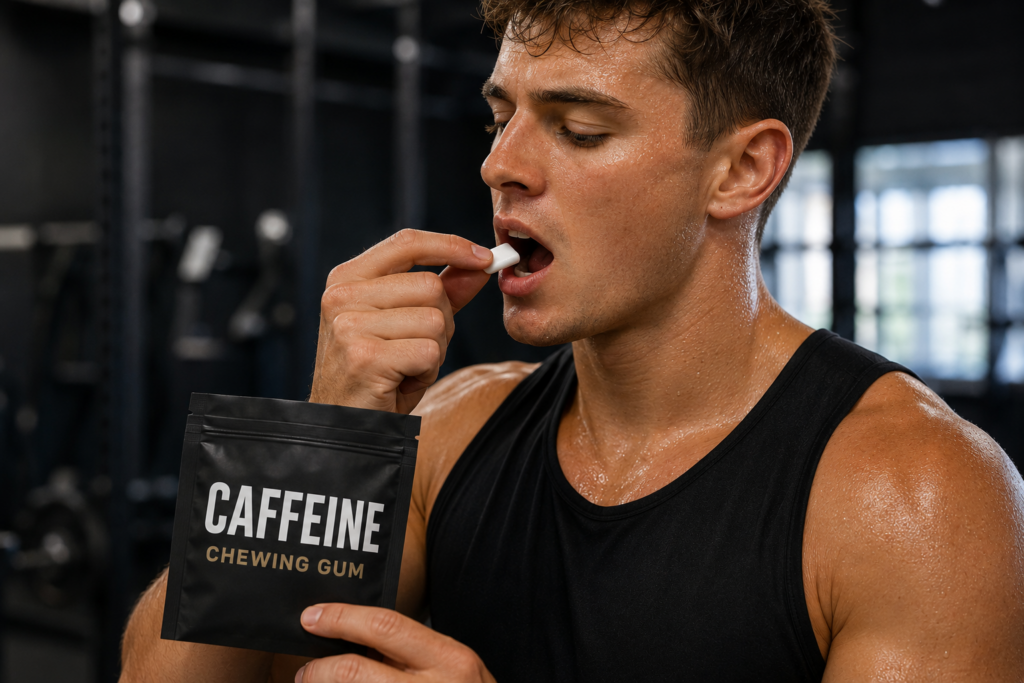
A recent systematic review and meta-analysis has offered an updated overview of the evidence surrounding the effectiveness of caffeinated chewing gum as an ergogenic aid. The review examined 21 studies and found that caffeinated chewing gum positively impacted various aspects of performance, including maximal strength, dynamic strength, isometric strength, and countermovement jump performance. Interestingly, the researchers noted that there was no statistically significant improvement in muscular endurance based on the current evidence.
It’s important to highlight that the observed benefits tended to be small to moderate rather than drastic. The biggest advantage of caffeinated chewing gum lies not in outperforming traditional caffeine sources but in its rapid action and convenience. For instance, it can be particularly valuable when time is tight, and there’s not enough opportunity to wait the usual 45–60 minutes for the effects of caffeine capsules or coffee to kick in. Chewing caffeinated gum just 10–15 minutes prior to exercise can still offer a small but meaningful boost in performance.
If you would like to learn more about caffeine and caffeinated chewing gum, our blogs and course are well worth checking out.
- Caffeine and sports performance: Pros, cons and considerations
- Caffeine and sleep: Does a pre-match coffee impact post-match sleep quality?
- How Effective Is Caffeine In Chewing Gum?
- Caffeine (course)
From us this week:
>> New course: Micronutrients for Athletes
>> New podcast: Growth, Maturation and Athletic Development in Tennis
>> New infographic: Salivary Immunoglobulin
>> New article: Hydrotherapy
Access to a growing library of sports science courses
SFS Academy is an all-access membership to premium sports science education.
With SFS Academy, you’ll learn from some of the best coaches around the world as they teach you how to apply the latest research and practice with your athletes.