

This week in the world of sports science, here’s what happened…
- Why Mikel Arteta is deliberately disrupting Arsenal’s preparation
- How the Dallas Cowboys are using sports science to beat the heat
- Coaching tips you don’t get on social media!
Why Mikel Arteta is deliberately disrupting Arsenal’s preparation

Arsenal F.C. manager Mikel Arteta has sparked significant online discussion after revealing an unconventional method he used during pre-season to deliberately disrupt his players’ usual preparation (see here). Arteta said he intentionally had the team arrive late to the stadium, delayed meals, made the dressing room uncomfortably hot and even reduced the number of massage beds available. These planned disruptions interfered with the players’ normal pre-match routines, with Arteta believing that exposing players and staff to these situations could help them become more adaptable when unexpected challenges arise during the season.
While this approach may seem unusual, it closely resembles a psychological technique known as stress exposure training. This involves exposing individuals to controlled and realistic stressors, so they become more accustomed to handling pressure and disruption when similar situations occur for real.
Typically, coaches strive to create the best possible environment for their athletes to prepare and perform. However, Arteta’s approach presents an interesting alternative. Occasionally introducing controlled stress and disruption into the training environment may help athletes become more adaptable and better prepared to cope when things do not go according to plan.
If you would like to learn more about this topic, our course Coping with Stress and Anxiety is certainly worth checking out.
How the Dallas Cowboys are using sports science to beat the heat

Earlier this month, a compelling story emerged about how the Dallas Cowboys, an American football team, are navigating the challenges posed by extreme weather (see here). The Dallas area had gone nearly two months without any measurable rainfall and was facing sweltering heat, prompting the team’s sports science and medical staff to raise concerns about players’ hydration during training sessions.
To address these issues, the Cowboys have gone beyond just monitoring temperature and weather conditions. They have implemented sweat testing and installed specialised urinals that evaluate players’ hydration levels when they urinate. Armed with this data, the sports science and medical staff can better assess whether players are fit to train outdoors in the extreme heat and humidity or if it’s wiser to hold the session indoors.
This situation underscores the importance of looking beyond just the weather when deciding on outdoor training in extreme heat. It also highlights the significance of understanding how each athlete is responding to these conditions, enabling coaches and medical staff to ensure that players are adequately hydrated and ready to handle the rigours of training in such intense heat.
If you are interested in learning more about this topic, our blogs Heat training: Tips from the Tokyo Olympics on how to exercise in high temperatures and Hydration Testing are worth checking out!
Coaching tips you don’t get on social media!
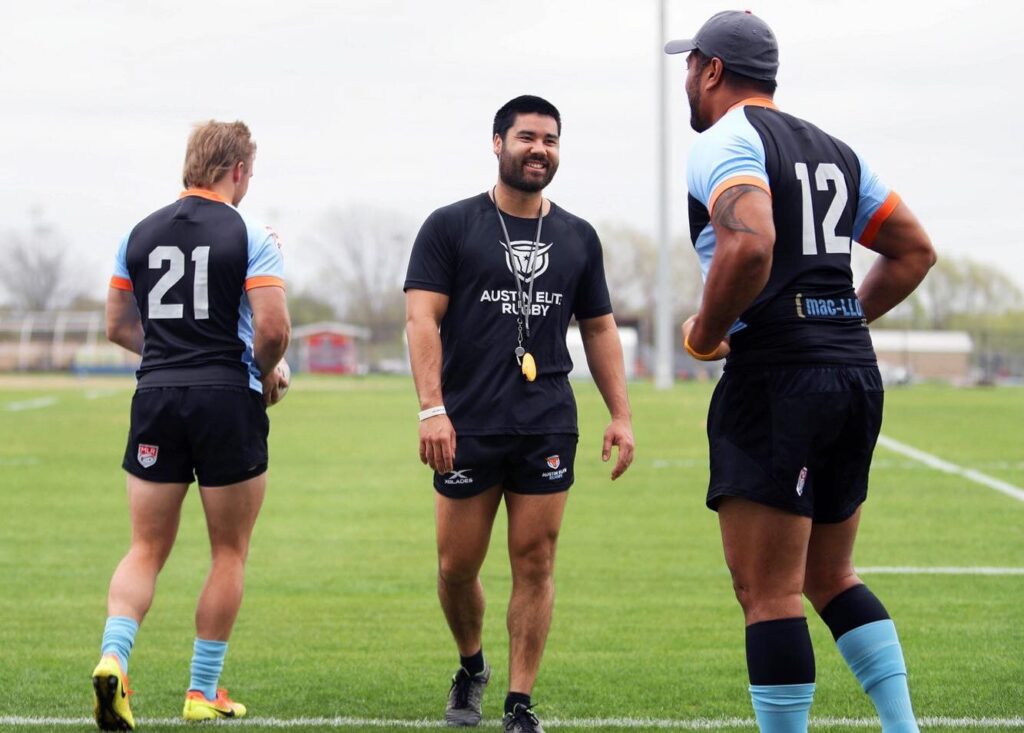
Our very own James de Lacey recently shared some excellent practical coaching tips on LinkedIn for delivering team training sessions more effectively.
Firstly, when addressing players, ensure that all of them are positioned in front of you rather than behind you. This means avoiding the common practice of having players form a circle around the coach. By positioning everyone in front, it becomes much easier to communicate clearly with the entire group.
Secondly, when communicating with players outdoors, take into account the position of the sun. Players should not have to look directly into the sun while receiving instructions. Instead, the coach should face the sun, even if it feels slightly uncomfortable, rather than expecting the entire team to do so. With the sun behind them, players will be in a better position to focus, listen, and absorb instructions.
Lastly, there shouldn’t be a noticeable divide between where the warm-up ends and training begins. Excessive stretching and dynamic movements should be completed by players in their own time before training, allowing the session to flow naturally into the main training activities.
If you’d like to learn more about this topic, check out de Lacey’s post here, as well as his work for us at Science for Sport here. Also, our course, Delivering Group Sessions, is well worth checking out.
From us this week:
>> New course: Micronutrients for Athletes
>> New podcast: How Sports Science Has Changed Coaching with Simon Grayson
>> New infographic: Whole Food Sources with 20-30g of Protein
>> New article: Hydrotherapy
Access to a growing library of sports science courses
SFS Academy is an all-access membership to premium sports science education.
With SFS Academy, you’ll learn from some of the best coaches around the world as they teach you how to apply the latest research and practice with your athletes.