
This week in the world of sports science, here’s what happened…
- Who is the GOAT of running based on science?
- Standardising the Single-Leg CMJ Test
- Concussion knowledge in rugby players and coaches
Who is the GOAT of running based on science?

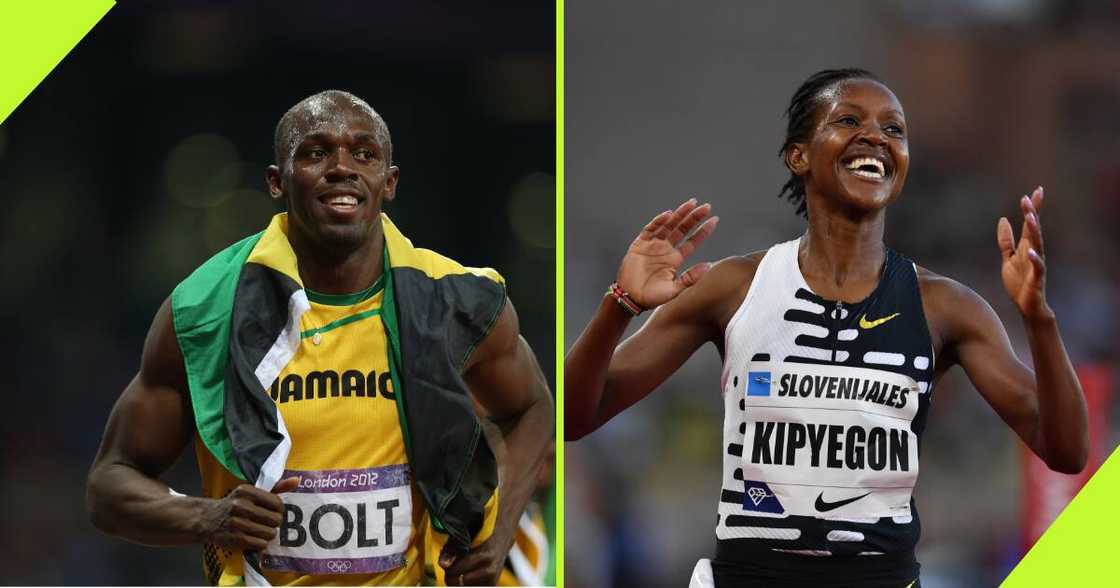
A fascinating study recently aimed to apply scientific reasoning to determine who the greatest male and female runners of all time are. The research analysed over 2,000 athletes who won medals at major global championships since 1896, focusing on sprint, hurdle, and distance events. It also took into account world records and their longevity.
According to the study’s scoring system, Usain Bolt was crowned the male GOAT, while Faith Kipyegon was named the female GOAT. Bolt boasts an incredible eight Olympic gold medals across three Olympic Games, whereas Kipyegon has achieved the remarkable feat of winning three consecutive Olympic gold medals in the 1500 metres. This clearly highlights that career longevity plays a significant role in establishing GOAT status.
It’s important to recognise that since 1972, there has been a rise in global competition, which has created more opportunities for athletes to win major medals. As a result, a potential limitation of this study is that athletes from the early 20th century may have faced disadvantages due to fewer competitive opportunities.
While the comparison of athletes from different eras and disciplines can be enjoyable yet somewhat trivial and subjective, it is nonetheless intriguing to see how a scientific scoring system ranks the greatest male and female runners.
What are your thoughts? Do you agree with Bolt and Kipyegon being the designated GOATs, or do you believe someone else deserves that honour? We’d love to hear your opinions!
Standardising the Single-Leg CMJ Test
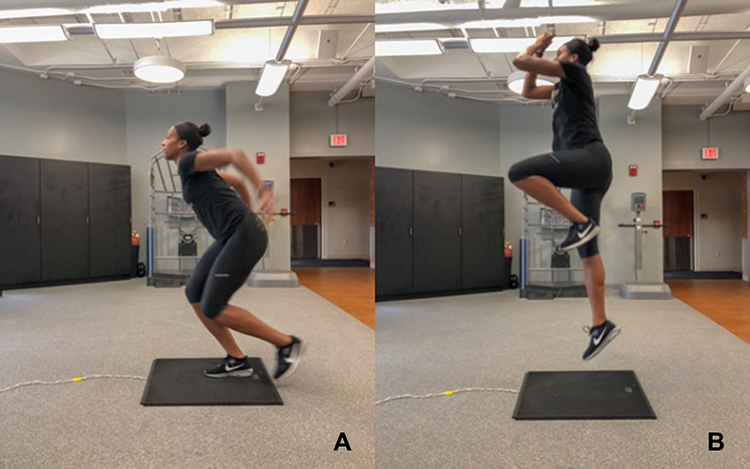
The single-leg Countermovement Jump (CMJ) test is frequently utilised in both sports performance and rehabilitation contexts. However, there is a lack of standardisation in the protocol and technique employed for the test. To address this issue, a recent study aimed to establish a reliable and valid protocol that standardises the single-leg CMJ test.
Participants in the study performed the single-leg CMJ using four different technique strategies. The first strategy required participants to jump with the non-jumping leg positioned at a 90-degree angle at both the hip and knee. The second strategy involved maintaining a 90-degree bend in the knee of the non-jumping leg. The third strategy kept the non-jumping leg straight, while the fourth allowed for unrestricted movement, permitting the non-jumping leg to swing freely for added momentum.
The findings highlighted that the second technique—maintaining a 90-degree bend in the knee of the non-jumping leg—proved to be the most reliable method. This approach minimises any contribution from the non-jumping limb and encourages better coordination of the hip, knee, and ankle. As a result, this protocol is recommended for use when administering the single-leg CMJ test in both performance assessments and rehabilitation settings.
Concussion knowledge in rugby players and coaches
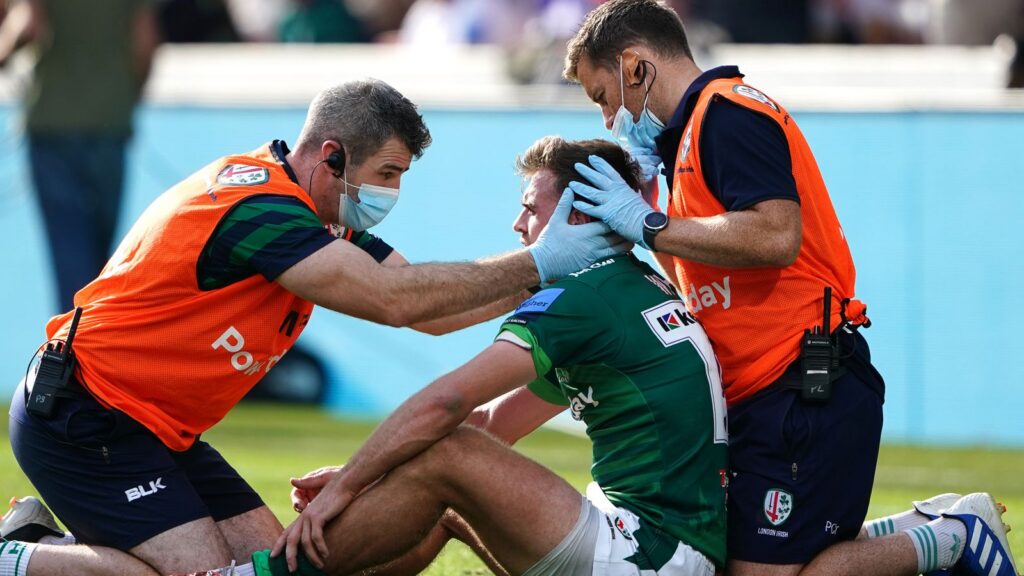
A noteworthy study conducted within the American rugby community revealed striking differences in concussion awareness across stakeholders. The findings indicated that rugby referees and administrative staff exhibited the highest levels of knowledge and the most responsible attitudes towards concussion, in sharp contrast to the insights from coaches and players.
Alarmingly, players showed the least understanding of concussion, raising significant concerns about their self-reporting behaviours. This study underscores the urgent need for improved educational strategies to raise concussion awareness among American rugby players and coaches.
If you would like to learn more about concussion assessment tools and their effectiveness, check out our excellent blog Sport concussion assessment tools: How well do they work? Also, our course Concussion Rehab provides a fantastic insight into concussion recovery.
From us this week:
>> New course: Socially Supporting Athletes
>> New podcast: The Performance Demands of a World Cup with Dr Dave Hancock
>> New infographic: Factors for Decision Making in Team Sport
>> New article: Hydrotherapy
Access to a growing library of sports science courses
SFS Academy is an all-access membership to premium sports science education.
With SFS Academy, you’ll learn from some of the best coaches around the world as they teach you how to apply the latest research and practice with your athletes.