This week in the world of sports science, here’s what happened…
- Is 8 to 12 reps the sweet spot for hypertrophy?
- Can wearable devices accurately estimate V̇O₂max and lactate threshold?
- Garmin’s venture into the equestrian world!
Is 8 to 12 reps the sweet spot for hypertrophy?
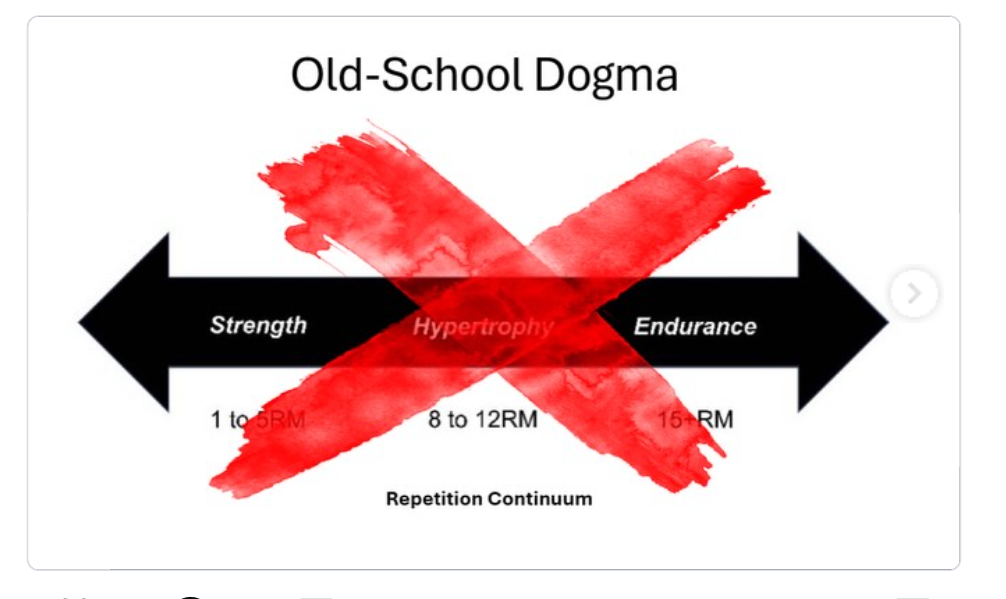
Dr. Brad Schoenfeld is widely regarded as the leading figure on hypertrophy, thanks to his extensive research, numerous publications, and authorship of the book “Science and Development of Muscle Hypertrophy.” Recently, he took to Instagram (see post here) to challenge the traditional concept of the “rep continuum.”
In the strength and conditioning community, it has been commonly accepted that the range of 8 to 12 repetitions is the ideal sweet spot for promoting hypertrophy in exercise sets. However, Schoenfeld highlights that emerging research shows hypertrophic responses can actually occur across a much broader range of repetitions (from 5 to 30 repetitions), as long as sets are performed close to muscle failure. While he acknowledges that the classic 8 to 12 rep range is indeed an effective way to stimulate muscle growth, he suggests that incorporating varied rep ranges with both heavy and light loads can also enhance muscular hypertrophy.
When programming for hypertrophy, many people stick to sets of 8 to 12 reps. However, as Schoenfeld points out, “research continues to evolve; be open to changing your views based on emerging evidence.”
If you’re interested in delving deeper into hypertrophy, feel free to check out my blog post: Hypertrophy training: The Complete Guide (plus workouts) and our course: Hypertrophy. We were also extremely lucky to have Dr. Brad Schoenfeld on our podcast episode: Master The Secrets Behind Maximising Hypertrophy, which is worth a listen.
Can wearable devices accurately estimate V̇O₂max and lactate threshold?
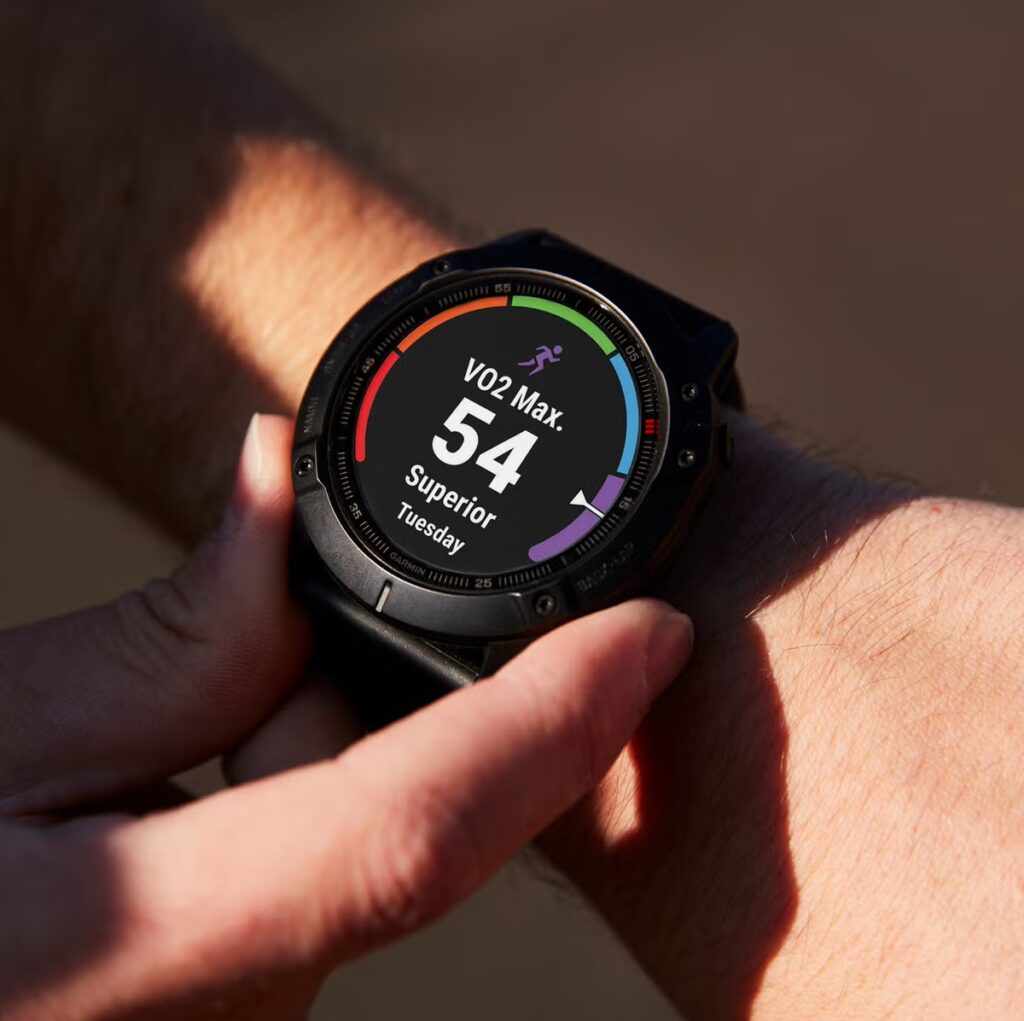
V̇O₂max and lactate threshold are key metrics for aerobic performance, yet the laboratory methods used to measure them can be quite expensive. Consequently, both athletes and recreational exercisers are increasingly turning to wearable devices for assessing V̇O₂max and lactate threshold. But just how accurate are these devices?
A recent systematic review examined this issue, revealing that out of 13 studies analysed, 7 found that wearable devices provided valid or acceptable measures of V̇O₂max. Notably, most of these studies focused on Garmin wearables, such as the Forerunner and Fenix watch series. The validity of these measurements was particularly strong among healthy untrained individuals, recreational athletes, and team-sport professionals, especially when assessments were conducted through submaximal outdoor runs. However, the accuracy of these devices in elite endurance athletes remains less certain, as it tends to drop at higher fitness levels.
When it comes to lactate threshold, research is quite limited. Among the 5 studies analysed, only 3 demonstrated valid estimation results. Nonetheless, based on the findings from this systematic review, coaches and athletes can use wearable devices to confidently estimate V̇O₂max, but they should be cautious when interpreting lactate threshold measurements.
Garmin’s venture into the equestrian world!

Speaking of Garmin, they have been making headlines in the sports science field recently, but this time it’s not about human athletes! They’ve just rolled out the “Blaze Tracker,” a device specifically designed for racehorses.
This innovative gadget attaches to a horse’s tail using a neoprene wrap. It monitors various metrics, including heart rate, skin temperature, running gait, and distance covered. All of this data is then sent to compatible smartphones or smartwatches, enabling riders and trainers to make more informed training decisions based on real-time feedback.
It’ll be fascinating to see how Garmin fares in the equine world. Keep an eye on this development!
From us this week:
>> New course: Fundamental Movements in Youth
>> New podcast: Creatine and the Evolution of Performance Nutrition
>> New infographic: Compression Garments
>> New article: Hydrotherapy
Access to a growing library of sports science courses
SFS Academy is an all-access membership to premium sports science education.
With SFS Academy, you’ll learn from some of the best coaches around the world as they teach you how to apply the latest research and practice with your athletes.