

This week in the world of sports science, here’s what happened…
- Can drop jumps be an effective tool to identify ACL injury risk factors in females?
- Joel Hansson’s simplistic but effective approach for developing speed in youth athletes
- Shoulder injuries and swimming
Can drop jumps be an effective tool to identify ACL injury risk factors in females?
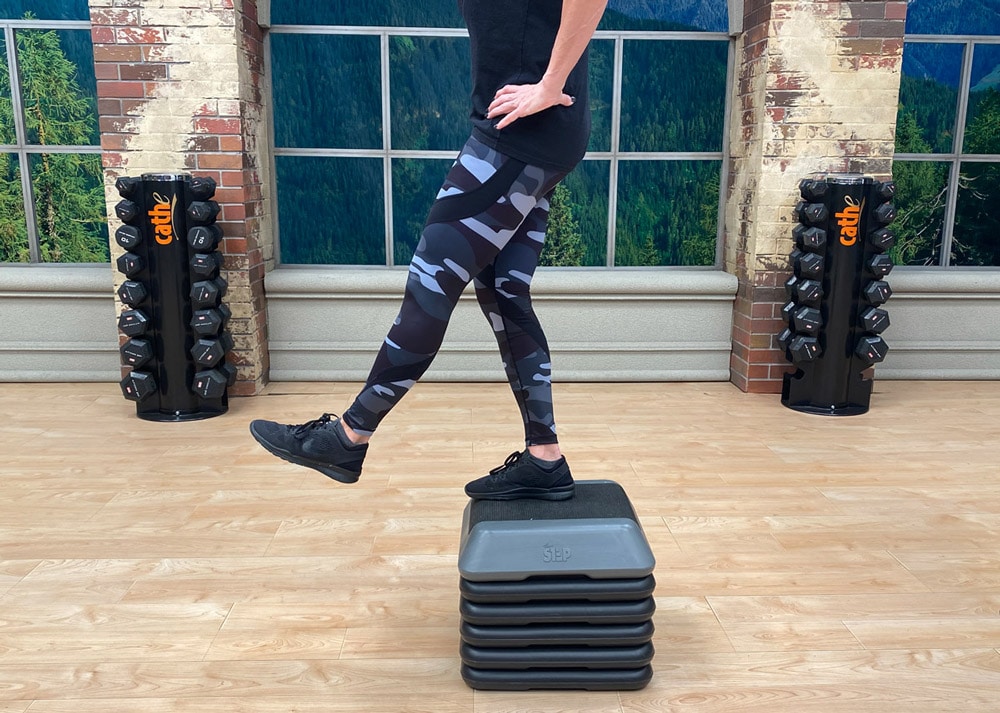
ACL tears among female athletes frequently occur during rapid landings, making drop jumps a common method for assessing ACL injury risk. However, there is ongoing debate about whether drop jumps focused on maximum vertical jump height or those emphasising a quick vertical jump are more effective in identifying risk factors for ACL injuries in female athletes.
A recent study delved into this issue by having female athletes complete three trials of both types of drop jumps while collecting kinematic and kinetic data. The findings revealed that drop jumps performed with a quick vertical jump resulted in stiffer landings, increased frontal-plane knee motion, and heightened muscle activity in the semitendinosus and vastus lateralis muscles. As a result, the researchers proposed that drop jumps, emphasising a quick vertical jump, are more effective tools than those focused on maximum height in identifying ACL risk mechanics among female athletes.
(For clarity, we used the same terminology as in the study. If you have read one of our previous editions of SFS Weekly (see here), you may remember that technically, drop jumps with a maximum vertical jump are classified as “depth jumps,” while drop jumps with a quick vertical jump are simply referred to as “drop jumps.” In summary, based on the study’s findings, drop jumps appear to be more effective indicators of ACL injury risk than depth jumps.)
Joel Hansson’s simplistic but effective approach for developing speed in youth athletes

Leading Swedish S&C coach Joel Hansson recently shared a simplistic yet highly effective viewpoint on LinkedIn regarding the development of speed in youth athletes. He emphasises that true speed training doesn’t begin with “A-skips or ladder drills,” but rather with allowing young athletes to run!
Hansson involves his youth athletes in running activities that include various directions, such as backward and lateral sprints. He also encourages them to accelerate from different starting positions and to run in various shapes and curves. While structured speed training and sprint mechanics are important, Hansson’s approach of exposing young athletes to a diverse range of running scenarios lays a strong foundation for their future development as they grow older.
If you’re interested in seeing Hansson’s post and a video showcasing his methods in action, please click here.
Shoulder injuries and swimming

A large-scale systematic review and meta-analysis revealed some troubling findings regarding shoulder injuries among swimmers. The study encompassed nearly 11,000 participants and found that more than 70% of the literature reviewed reported incidences of shoulder injuries. Notably, the second-most affected area was the knee, which appeared in 34% of the reviewed studies.
Another important finding was that the prevalence of shoulder injuries increased with higher levels of swimming performance. This research underscores the pressing need for improved strategies for preventing and managing shoulder injuries in swimmers, highlighting the vulnerability of the shoulder region in this sport.
If you would like to learn more about shoulder injuries, check out our excellent course Shoulder Injury Rehab.
From us this week:
>> New course: Hormonal and Non-Hormonal Contraceptives in Female Athletes
>> New podcast: The Evolution of Professional Cricket Through Ryan Sidebottom’s Career
>> New infographic: Beetroot Juice
>> New article: Hydrotherapy
Access to a growing library of sports science courses
SFS Academy is an all-access membership to premium sports science education.
With SFS Academy, you’ll learn from some of the best coaches around the world as they teach you how to apply the latest research and practice with your athletes.