
Sleep and sport: Deprivation, training and performance
Due to the busy lifestyle that many athletes live, sleep and sport don’t always go together, but sleep is a must for recovery and performance. Here’s how to get the most out of your sleep.

Due to the busy lifestyle that many athletes live, sleep and sport don’t always go together, but sleep is a must for recovery and performance. Here’s how to get the most out of your sleep.

Motivation needs to be managed and channelled in the right direction to elicit the best performance outcomes.

The authors of this study investigated the relationship between coaches’ mental health, the stressors they faced, and their use of psychological resilience.

ACL injuries are one of the most painful setbacks in sport. Can nutrition play a part in fast-tracking a return to play?
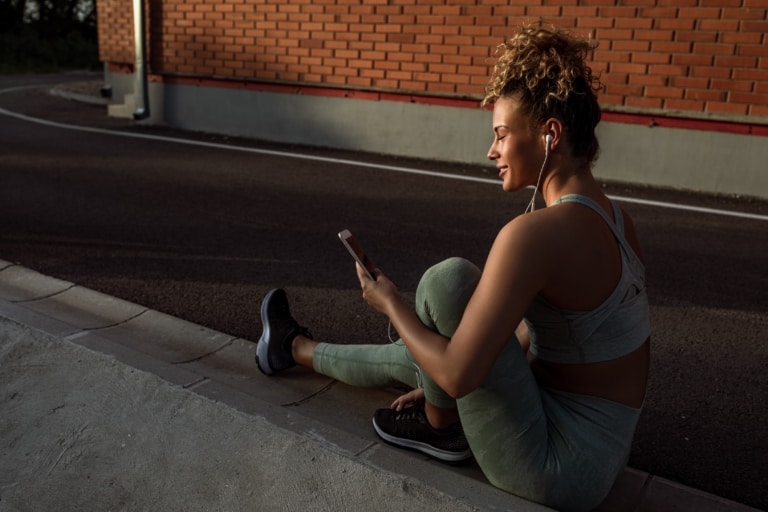
Elite athletes have access to teams of coaches and sport scientists, who use sports technology to drive performance. But amateur athletes can also benefit from the latest tech, too.
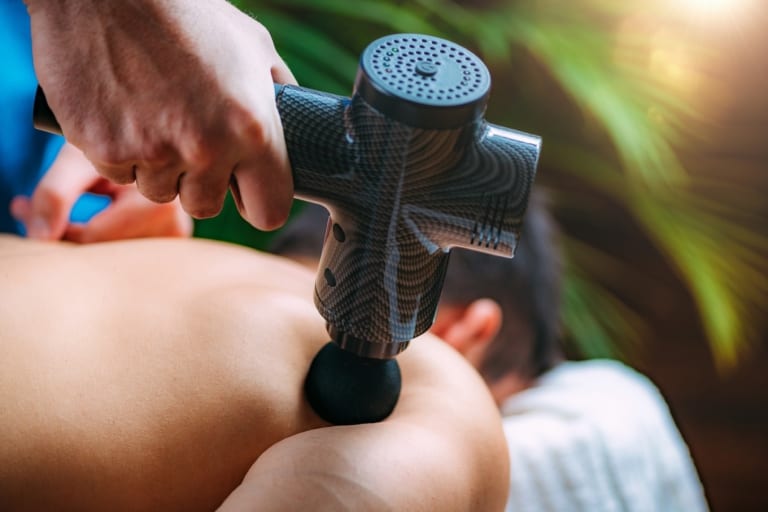
Massage guns are being heavily promoted as a key tool for recovery – but do they work, and do athletes need them?

Sporting parents should be setting an example for their kids, exposing them to more sports and holding them accountable where necessary, a leading coach and author says.

Concussions are a growing issue in many sports, and early initiation of low-intensity aerobic exercise is recommended to kick-start the recovery process.

One specific area that needs scientific clarification is the definitions of and differences around overtraining and overtraining syndrome.

Jet lag and travel fatigue are no fun for anyone and can negatively impact athletic performance – but here’s some tricks and tips to combat air travel.

Speed and strength is a cornerstone of training for ice skating. But what can other athletes learn from those on the rink?

When it comes to exercise timing, does it matter if you work out in the morning, afternoon or night? We put the science to the test.

How can you develop maximum power output? There are various tricks to follow that can take your power training to the next level.

When it comes to nutrition, it’s easy to assume all the top pros have everything down to a tee, right? In episode 66 of the Science for Sport Podcast, Dr Tom Little reveals that’s not always the case.

Goalkeepers require specific strength and conditioning training, with five key movements skills important to train.

Learn from a world-class coach how you can improve your athletes' agility. This course also includes a practical coaching guide to help you to design and deliver your own fun and engaging agility sessions.
Get Instant Access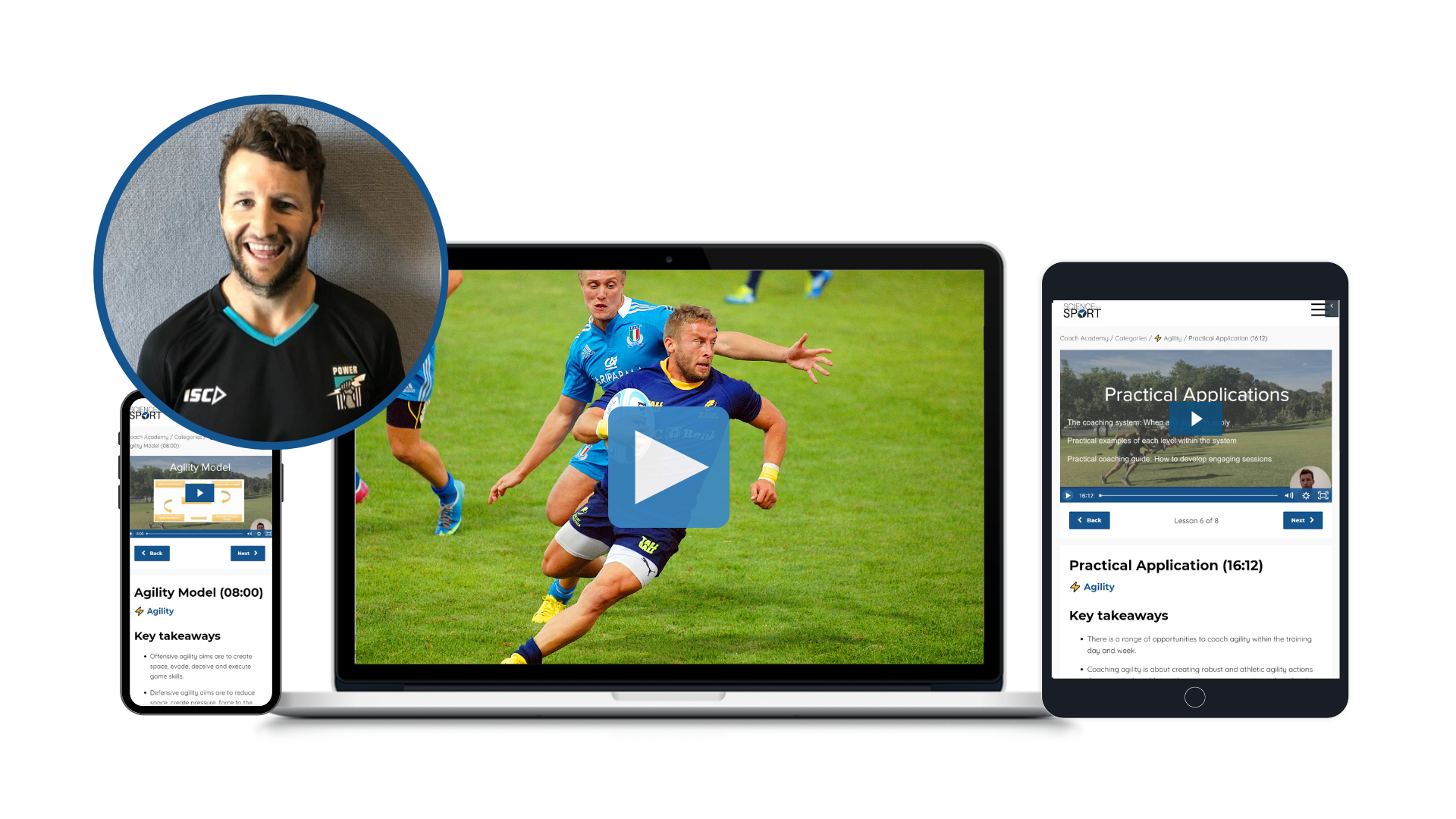

Our mission is to improve the performance of athletes and teams around the world by simplifying sports science and making it practical.
© 2026 Science for Sport | Catapult Sports