
This week in the world of sports science, here’s what happened…
- Avoid the negativity bias by reminding people of their strengths!
- Perch P2 is set to be launched very soon!
- Can the FORM Smart Swim 2 goggles accurately track swim training intensity?
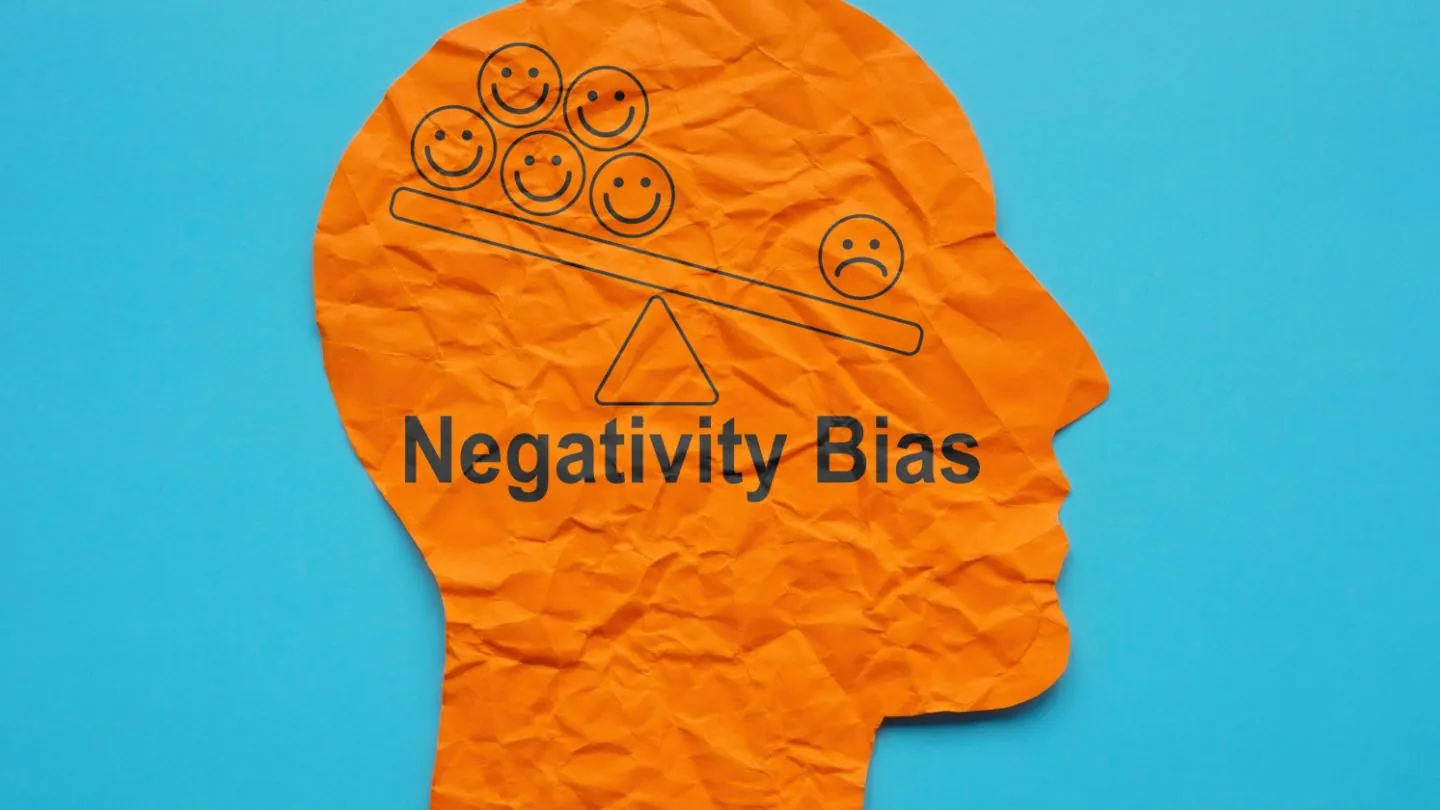
Avoid the negativity bias by reminding people of their strengths!

Leading sport psychologist Professor Adam Nicholls has consistently shared valuable insights and practical examples of sports psychology on his social media platforms. He’s back on SFS Weekly, this time for his recent LinkedIn post about the concept of “Negativity Bias.”
In this post, Nicholls features an inspiring video of youth football coach Joshua Paul, who passionately addresses a group of young, aspiring football players. Paul encourages these athletes not to let negativity and rudeness from others affect them and advises them to avoid dwelling on the hurtful comments made by others.
Drawing from his expertise, Nicholls elaborates on how negativity bias impacts individuals. He explains that “bad is stronger than good” – negative messages tend to have a more significant and longer-lasting impact than positive ones. According to Nicholls, studies show that people are not only more inclined to believe negative statements over positive ones, but they also remember negative events in much greater detail, which he refers to as the “Negativity Bias.”
The message conveyed by Paul to the young footballers was very powerful, and as Nicholls emphasises, coaches should “regularly remind players of their strengths” rather than falling prey to the negativity bias.
Perch P2 is set to be launched very soon!
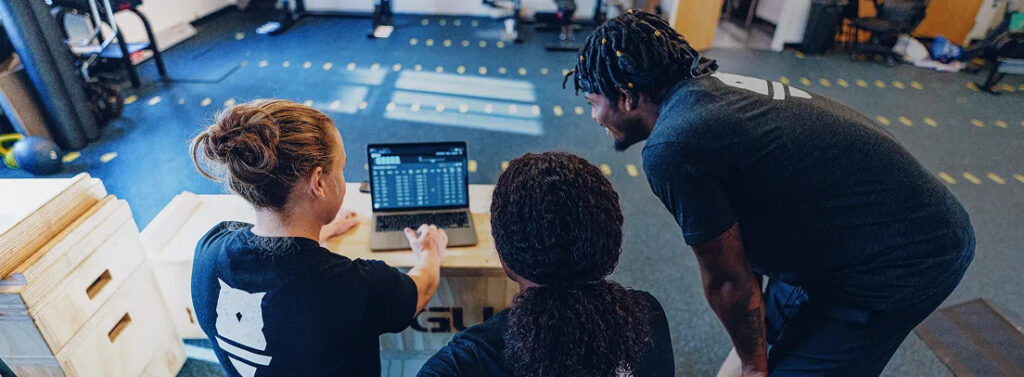
Last year on SFS Weekly, we highlighted Perch, a ground-breaking piece of technology focused on athlete monitoring and velocity-based training. Well, Perch is making waves in the sports science world once again, as it has just been announced that the next generation, Perch P2, will be launched very soon!
The new features of Perch P2 are impressive. It offers advanced monitoring capabilities, including jump testing and eccentric and concentric output metrics, now at your fingertips. Additionally, it boasts enhanced portability: the hardware is now 50% smaller than the previous version, and the velcro has been replaced with a convenient magnetic mounting system. This design change allows for quick setup and easy relocation. Furthermore, Perch P2’s versatility supports a broader range of exercises and environments, improving workflows for both athletic training and sports medicine.
It has certainly been fascinating to watch how Perch has developed since being acquired by Catapult! I’m eager to see how the Perch P2 is received in the market. Stay tuned for updates!
Can the FORM Smart Swim 2 goggles accurately track swim training intensity?
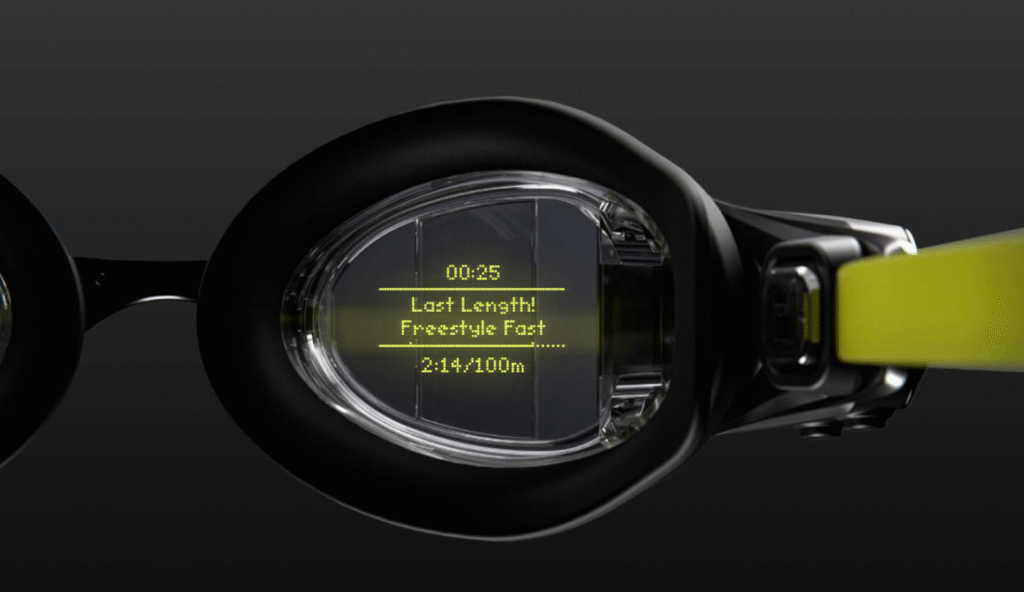
Measuring training intensity for swimming can be quite challenging, but the FORM Smart Swim 2 goggles offer a promising solution. These goggles track heart rate using a temple-mounted optical sensor, which allows for real-time feedback. Despite their innovative features, scientific evidence regarding their accuracy was limited until a recent study shed some light on the goggles.
In this study, researchers monitored the swimming performance of 25 experienced swimmers who simultaneously wore both the FORM Smart Swim 2 goggles and the Garmin HRM-Swim chest strap. The data from the goggles was then compared to that from the Garmin HRM-Swim chest strap. The findings revealed a strong correlation between the two devices, suggesting that the FORM Smart Swim 2 goggles can provide valid data for tracking swim training, especially when heart rate is a key metric. While more research is necessary to confirm these results, this study offers promising initial evidence of the goggles’ effectiveness.
From us this week:
>> New course: Hormonal and Non-Hormonal Contraceptives in Female Athletes
>> New podcast: Performance Science in AFL and NRL with Brendan Fahrner
>> New infographic: Nutrition For ACL Rehabilitation
>> New article: Hydrotherapy
Access to a growing library of sports science courses
SFS Academy is an all-access membership to premium sports science education.
With SFS Academy, you’ll learn from some of the best coaches around the world as they teach you how to apply the latest research and practice with your athletes.