This week in the world of sports science, here’s what happened…
- The growing concern of neuro-doping in Paralympic sport
- Sports science technology in the equine world
- Can ashwagandha improve endurance and response time?
The growing concern of neuro-doping in Paralympic sport
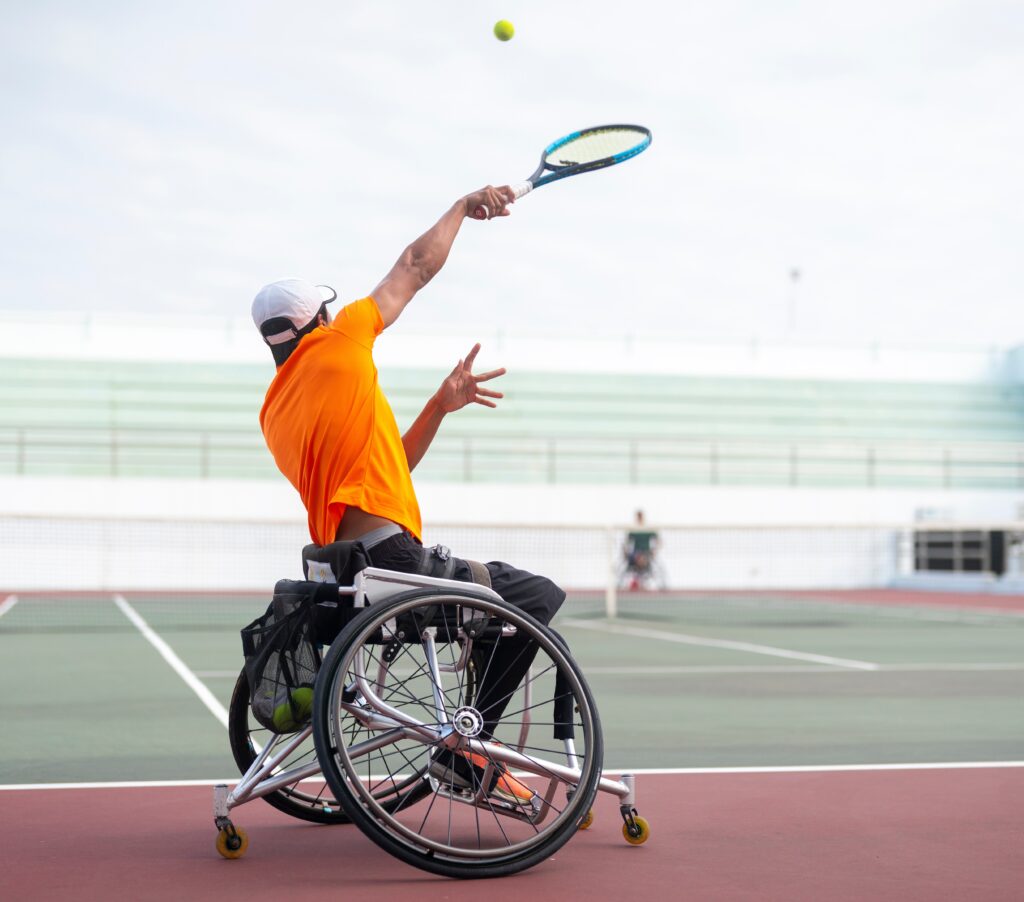
Neuro-doping is becoming increasingly concerning in Paralympic sports. Electrical spinal cord stimulation (SCS) devices, initially designed to assist individuals with spinal cord injuries, are now under scrutiny as a recent article suggests they may provide Paralympic athletes with a considerable competitive edge.
Currently, the World Anti-Doping Agency (WADA) does not classify these devices as prohibited, since earlier evaluations found insufficient evidence of any performance boost. However, findings from the University of Birmingham indicate that SCS devices could enhance endurance by as much as 80% and improve high-intensity performance by around 28% for athletes with spinal cord injuries—results that far exceed mere therapeutic benefits.
This research raises alarms about the possibility of some Paralympic athletes using SCS devices to gain an unfair advantage, undermining the “spirit of sport” and placing those athletes without such devices at a notable disadvantage. This phenomenon is now being termed neuro-doping.
It is hoped that the research from the University of Birmingham will encourage organisations like WADA and the International Paralympic Committee to revisit their stance on SCS devices, ultimately ensuring a fair and equal playing field in Paralympic sports.
Sports science technology in the equine world

Laura Fitzharris (Image: LinkedIn)
Recently, on SFS Weekly, I highlighted the Garmin “Blaze Tracker,” a device uniquely crafted for racehorses. Laura Fitzharris, a prominent specialist in Equine Sports Medicine and Rehabilitation, graciously reached out to share a wealth of information regarding the latest advancements in equine technology.
Fitzharris explained that there are now numerous devices capable of measuring ECG in horses. This allows equine specialists like her to keep a close eye on horses during training and detect any potential issues before the trainer or jockey even notices. This groundbreaking technology also helps in monitoring horses with underlying cardiac conditions and arrhythmias, which can limit their performance and pose risks of sudden death.
One popular device currently used to monitor ECG in horses is the Equimetre, developed by Arioneo. Research has shown that it is effective for heart rate monitoring during high-intensity exercise. The Equimetre also comes equipped with a GPS unit and accelerometer, allowing for precise tracking of speed, stride length, and stride frequency. Interestingly, Fitzharris noted that while Garmin’s “Blaze Tracker” is an exciting innovation, it has yet to undergo scientific validation.
It’s clear that sports science is thriving in the equine sector, and dedicated professionals like Fitzharris are playing a vital role in enhancing the welfare of racehorses and helping them reach their peak performance.
Can ashwagandha improve endurance and response time?

A recent study examined whether supplementing with ashwagandha could enhance endurance and response time in elite wrestlers. Participants were randomly assigned to receive either a placebo or 600 milligrams of ashwagandha daily for eight weeks.
Interestingly, both the placebo group and the ashwagandha group showed significant improvements in endurance and response time. However, these enhancements were attributed to their training rather than the supplement itself, as no notable differences emerged between the two groups.
While further long-term research is needed, contrary to some anecdotal claims, supplementing with ashwagandha does not appear to boost endurance or response time in elite wrestlers. It’s important to mention that the study employed a wrestling-specific endurance test, known as the dummy suplex throw test. Perhaps including a more general aerobic test could have shed even more light on how ashwagandha impacts overall endurance.
Previously, in SFS Weekly, we discussed the potential benefits, side effects, and the banning of ashwagandha in some countries. You can find that edition of SFS Weekly here.
From us this week:
>> New course: Fundamental Movements in Youth
>> New podcast: Uncommonly Consistent: Football to Formula One with John Noonan
>> New infographic: β-Alanine
>> New article: Hydrotherapy
Access to a growing library of sports science courses
SFS Academy is an all-access membership to premium sports science education.
With SFS Academy, you’ll learn from some of the best coaches around the world as they teach you how to apply the latest research and practice with your athletes.