
This week in the world of sports science, here’s what happened…
- New review strengthens the case for beetroot juice
- The single-leg glute bridge test: a useful screening tool or not?
- Is the Achilles ankle training device a game-changer?
New review strengthens the case for beetroot juice
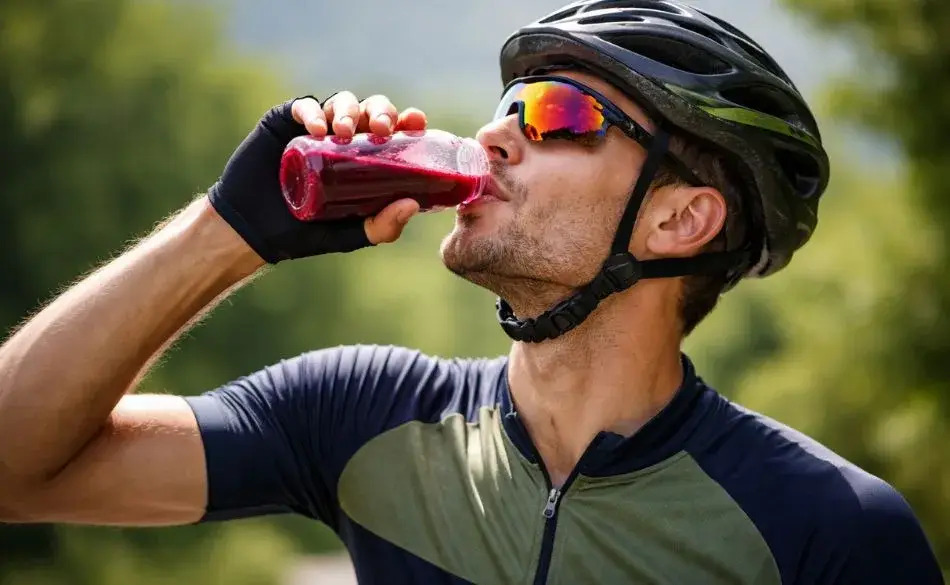
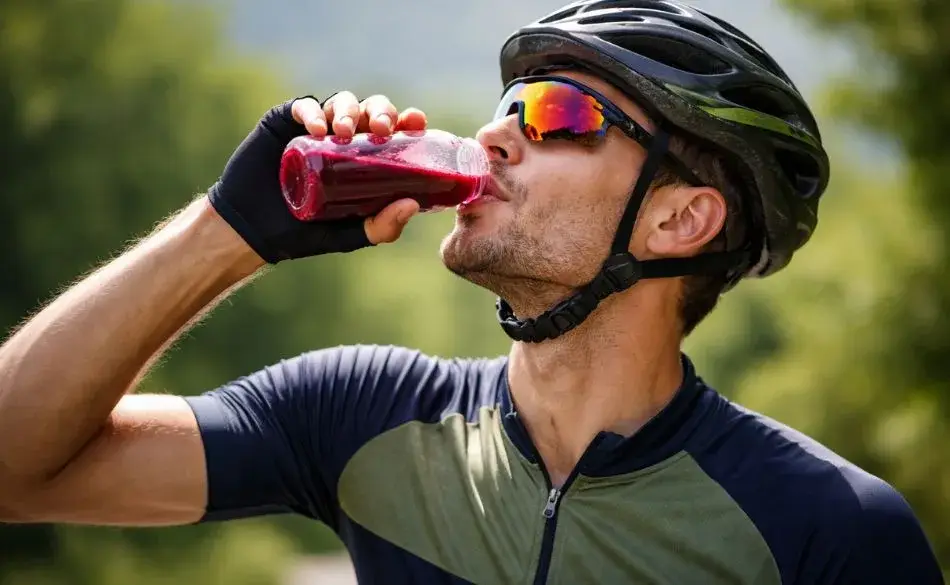
A recent systematic review and meta-analysis pooled data from numerous studies investigating the effects of beetroot juice supplementation on both aerobic and anaerobic exercise performance. Beetroot juice is naturally rich in dietary nitrate. Once ingested, nitrate is converted to nitrite by bacteria in the mouth before being further converted into nitric oxide within the body.
Nitric oxide is thought to enhance athletic performance through several mechanisms, including dilating blood vessels to increase blood flow, improving oxygen delivery to working muscles, and enabling muscles to perform the same amount of work while using less oxygen.
The review found that beetroot juice supplementation resulted in significant improvements in several performance measures, including VO₂max, peak power output and sprint performance. However, it is important to note that these improvements were generally small to moderate rather than dramatic.
Notably, the most commonly used supplementation protocol across the studies involved consuming approximately 6–8 mmol of nitrate around two to three hours before exercise. Coincidentally, many commercially available concentrated beetroot juice shots provide a similar dose of nitrate.
Overall, this systematic review and meta-analysis strengthens the evidence that beetroot juice supplementation can provide meaningful benefits for both aerobic and anaerobic exercise performance. However, athletes and coaches should view it as a strategy to gain small, worthwhile improvements rather than expecting substantial performance gains.
The single-leg glute bridge test: a useful screening tool or not?
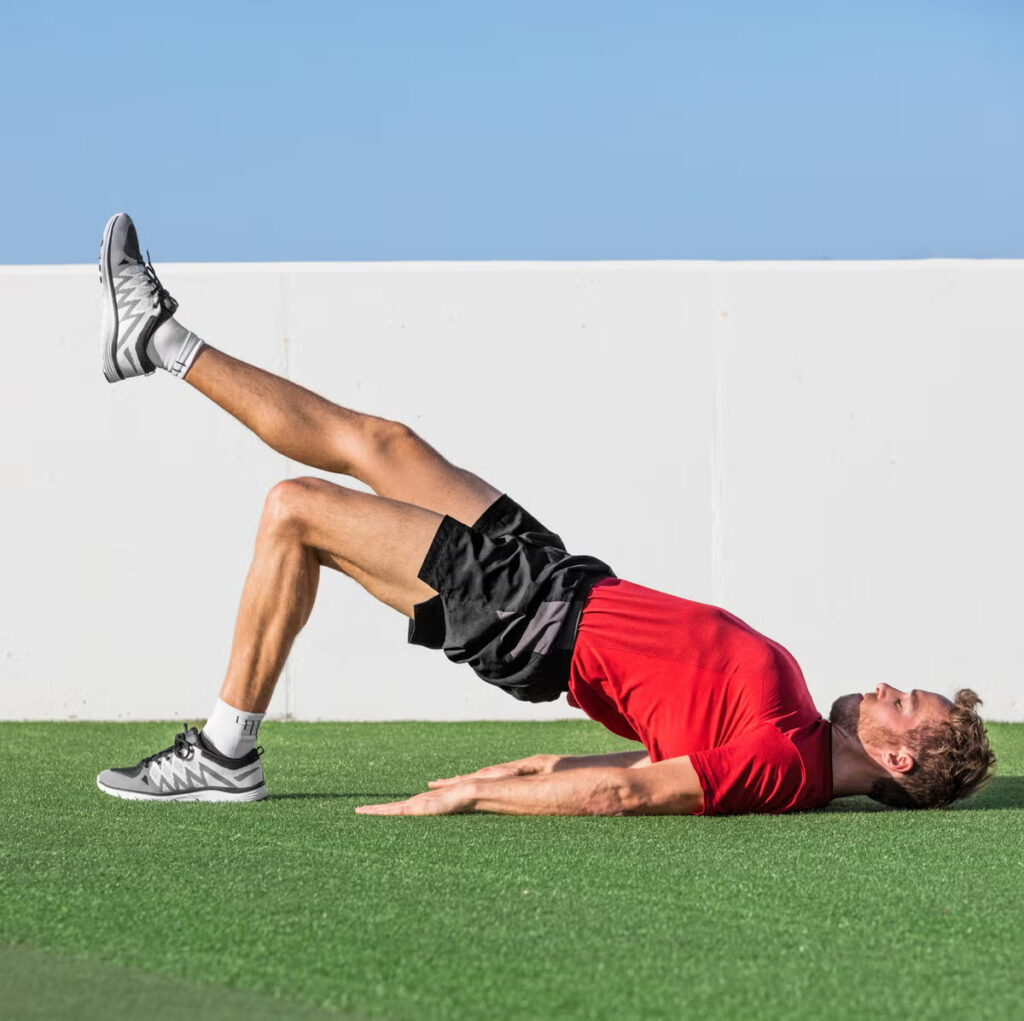
An online article has recently suggested that the single-leg glute bridge is an effective test for predicting injury risk in runners. According to the article, runners who can hold a single-leg glute bridge for 20 seconds or more have a 49–64% lower risk of sustaining a running-related overuse injury than those who can only hold the position for 9 seconds or less.
Interestingly, the article is based on a study published last year that included an impressive sample of 867 marathon runners. However, there are several important caveats to consider. Firstly, this was an observational study, not a randomised controlled trial. While the researchers found that runners who performed better on the single-leg glute bridge test were less likely to sustain a running-related overuse injury, the study cannot establish that improving glute bridge performance will directly reduce injury risk.
Secondly, the strength testing was self-reported. Participants completed the tests themselves at home, meaning the researchers did not directly supervise or measure performance. Consequently, differences in technique, timing and reporting accuracy may have influenced the results. Furthermore, injuries were also self-reported rather than confirmed by healthcare professionals, meaning some injuries may have been misclassified or not reported at all.
Therefore, despite the large sample size and promising findings, the single-leg glute bridge should currently be viewed as a potential screening tool, or one component of a broader injury risk assessment, rather than definitive evidence that improving performance on the test will reduce injury risk.
If you would like to learn more about testing and screening, our courses Movement Screening and Performance Assessments are well worth checking out.
Is the Achilles ankle training device a game-changer?
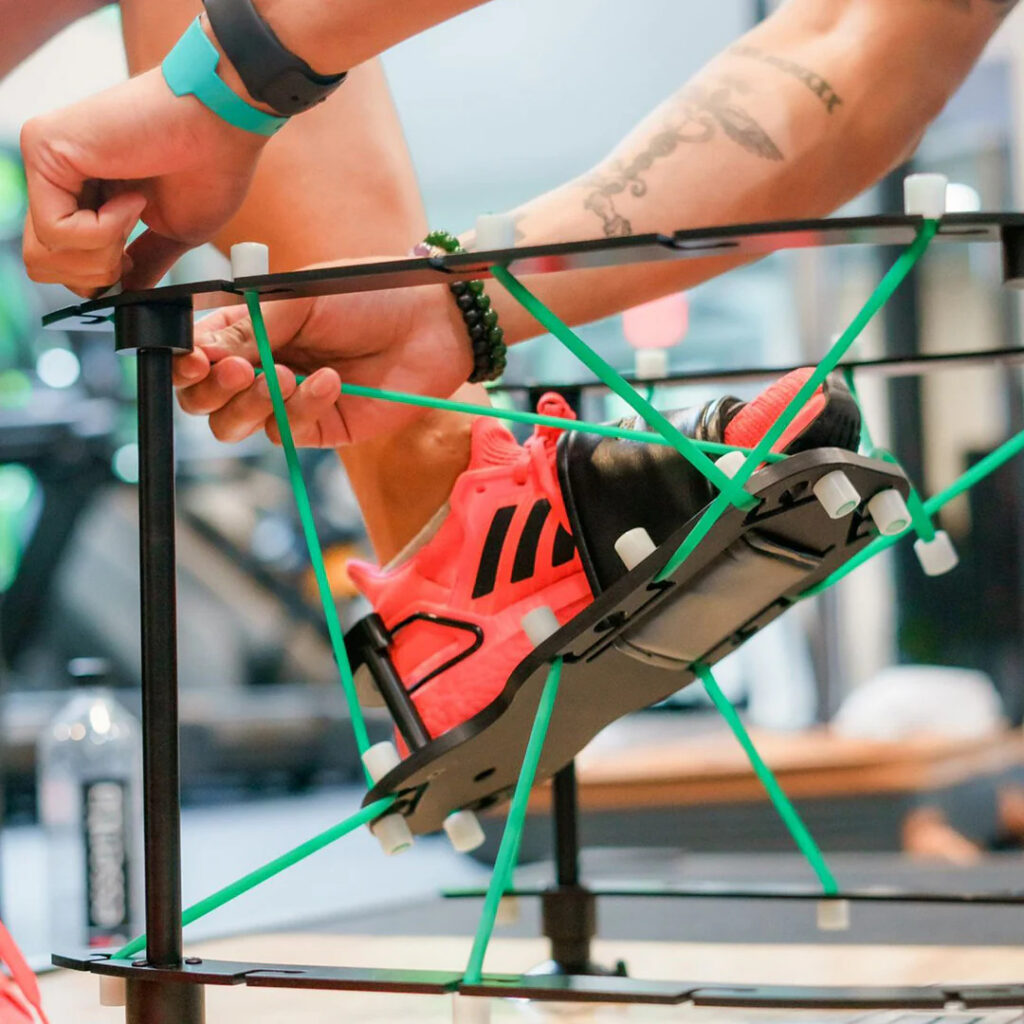
Sports science and technology guru Alec Grawe recently showcased a new ankle training device called the “Achilles” in a YouTube video. This innovative device is quickly gaining popularity thanks to its unique 360-degree resistance system, designed to target every movement of the ankle and said to enhance stability and mobility.
In the video, Grawe discusses how athletes are turning to this device for ankle injury prevention, recovery, and strength building. He emphasises that ankle training is often overlooked and underappreciated. However, he cautions that using the “Achilles” doesn’t guarantee you’ll never roll your ankle again.
While the concept behind the “Achilles” is based on sound evidence, the device itself hasn’t yet undergone rigorous testing to prove its effectiveness. So, while it may be a game-changer, the benefits can also be achieved through balance training, traditional ankle–strengthening exercises, such as calf raises and plyometrics like pogo hops, single-leg hops, and landing drills.
If you would like more information on ankle training, check out our course Ankle Sprain Rehabilitation.
From us this week:
>> New course: Menstruation in Sport
>> New podcast: Why Energy Management Is the Next Big Performance Tool
>> New infographic: Salivary Immunoglobulin
>> New article: Hydrotherapy
Access to a growing library of sports science courses
SFS Academy is an all-access membership to premium sports science education.
With SFS Academy, you’ll learn from some of the best coaches around the world as they teach you how to apply the latest research and practice with your athletes.