
This week in the world of sports science, here’s what happened…
- How to implement the 10×10 Repeat Sprint Protocol
- Is coconut water effective for rehydration?
- What stages of the menstrual cycle impact readiness to train?
How to implement the 10×10 Repeat Sprint Protocol
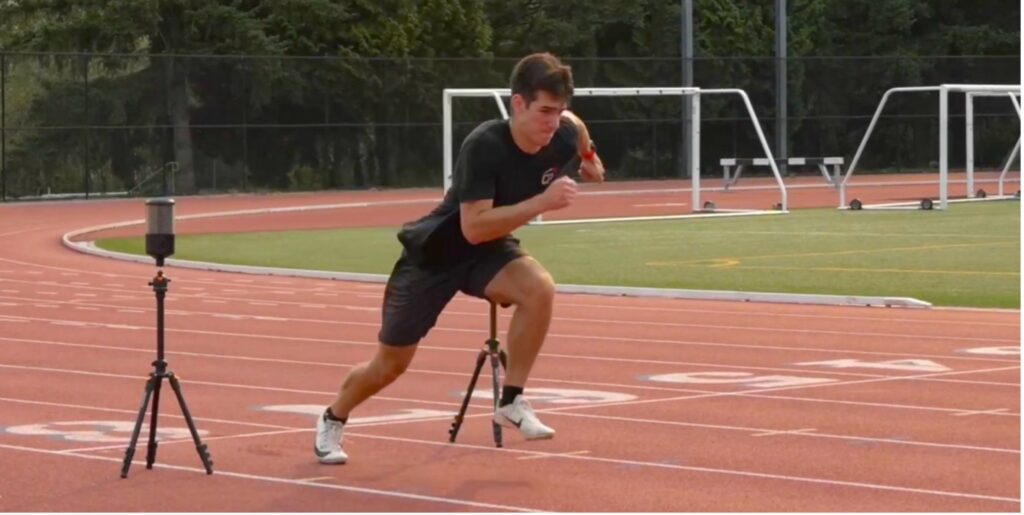
The “10×10” Repeat Sprint Protocol is a widely used training method aimed at enhancing both speed and conditioning. One of its foremost advocates is Derek Hanson, a well-respected authority in speed training and rehabilitation.
In a recent Instagram post, Hanson outlined how he applies the 10×10 Repeat Sprint Protocol, adjusting it based on specific training objectives. A key aspect of his approach is monitoring the overall time for each repetition, which includes the duration from the start of the sprint to the setup for the next acceleration. When the focus is on conditioning, he allows 1.5 to 2 seconds for the acceleration phase, followed by roughly 4 seconds for deceleration and preparing for the next repetition. Completing the entire set of 10 reps typically takes about 60 seconds, with rest intervals of 2 to 5 minutes between sets.
For cases involving rehabilitation or reintroducing athletes to the protocol, Hanson allows for longer rest periods and extends the time per repetition to 10 to 12 seconds, resulting in a set completion time of around 2 minutes.
When using the 10×10 protocol for acceleration and speed development, Hanson again incorporates longer rest periods, usually between 18 and 30 seconds, depending on the athlete’s stage in the season and individual needs. In this scenario, the entire set takes around 2.5 to 3 minutes, with the intention of executing all 10 reps with maximum effort, ensuring no drop-off in time.
If you’re keen to dive deeper into the 10×10 Repeat Sprint Protocol and learn how to adjust it for various goals—be it conditioning, return to play, or speed development—be sure to check out Hanson’s post!
Is coconut water effective for rehydration?

Recent research has cast a positive spotlight on the rehydration effectiveness of coconut water. The study compared flavoured water, a carbohydrate-electrolyte sports drink, and coconut water itself. Eight recreational athletes were subjected to exercise-induced dehydration and then rehydrated with one of the three drinks
Flavoured water resulted in the highest urine output among the drinks, indicating less fluid retention. However, coconut water and the sports drink were found to be equally effective for rehydration. This suggests that, despite having lower sodium levels, coconut water can perform just as well as a sports drink when it comes to hydration. The likely reason for this is its high potassium content.
If you’re eager to dive deeper into the topic of hydration, be sure to check out our blog Hydration Testing and explore our course Hydration!
What stages of the menstrual cycle impact readiness to train?

A recent study highlighted an important finding that coaches training female athletes should take into account. The study examined two distinct stages of the menstrual cycle—the early follicular phase and the luteal phase—and their effects on recovery, jumping performance, and overall readiness to train.
While no significant differences were found in recovery, assessed through heart rate variability, or in jumping performance, evaluated via reactive strength index and vertical jump height, a notable difference emerged in readiness to train between the two phases. Participants demonstrated a significantly higher readiness to train during the early luteal phase.
These findings suggest that during the early follicular phase, female athletes may be more influenced by the psychological factors linked to the menstrual cycle, resulting in a lower preparedness for training.
If you would like to learn more about how the menstrual cycle affects sports performance, our podcast episode How The Menstrual Cycle Affects Sport Performance: Must-Know Info for Coaches and Athletes, is well worth a listen!
From us this week:
>> New course: Socially Supporting Athletes
>> New podcast: The Under-fueling Problem in Professional Sport with Dr Nessan Costello
>> New infographic: Hydrotherapy
>> New article: Hydrotherapy
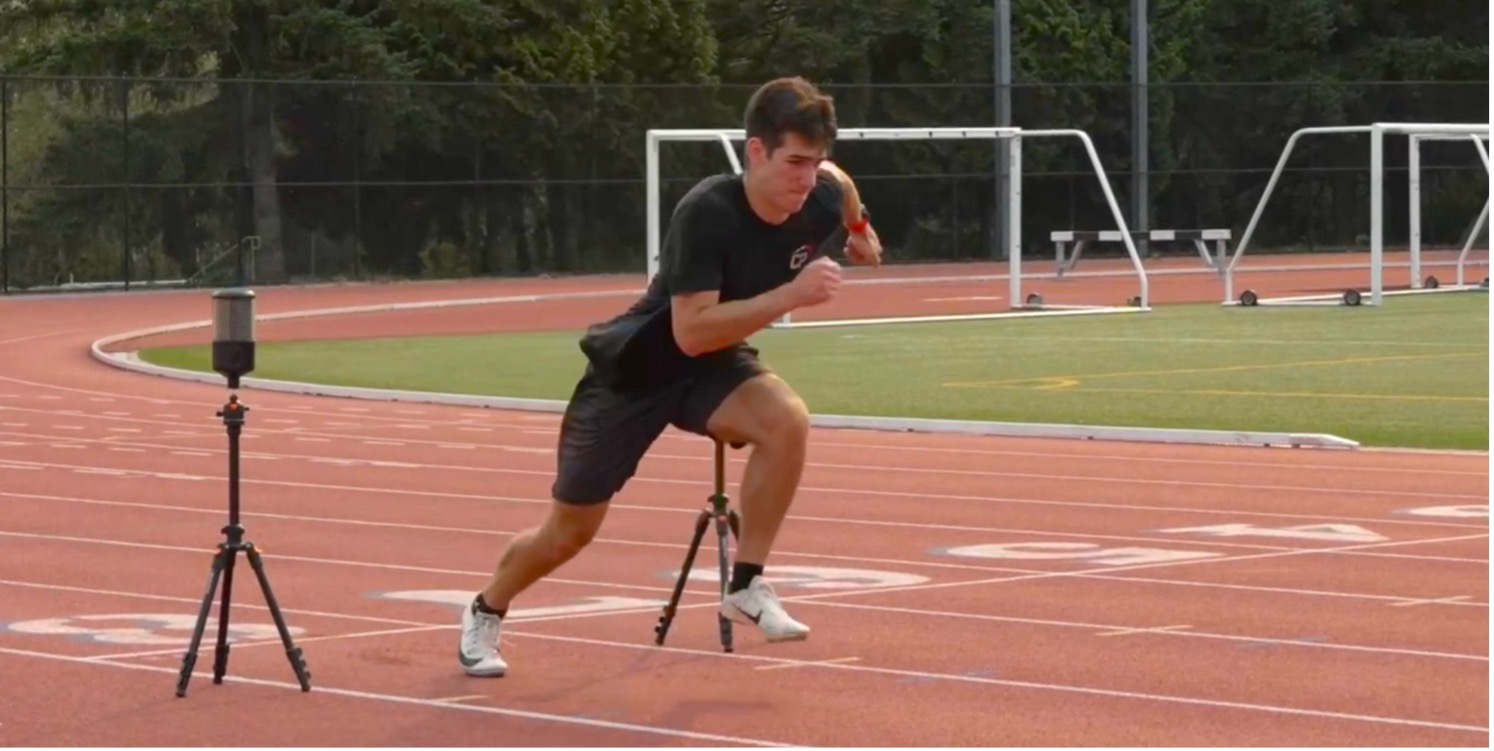
Access to a growing library of sports science courses
SFS Academy is an all-access membership to premium sports science education.
With SFS Academy, you’ll learn from some of the best coaches around the world as they teach you how to apply the latest research and practice with your athletes.